
5 practical steps to improve the accuracy and efficiency of nitrogen and hydrogen air tightness testing
In the field of air tightness testing, ensuring the accuracy and efficiency of testing is an important challenge faced by every engineer and technician.Nitrogen and hydrogen air tightness testing, as a common testing method, is widely used in many industries, such as automobiles, aviation and electronic equipment manufacturing.However, improper operation or insufficient equipment often leads to errors in test results, which not only increases costs but may also affect overall product quality.To help you overcome these challenges, we have summarized five practical steps to improve the accuracy and efficiency of nitrogen and hydrogen tightness testing.Through these steps, you will be able to comprehensively improve detection results and ultimately improve product reliability and safety.
Step 1: Choose appropriate testing equipment
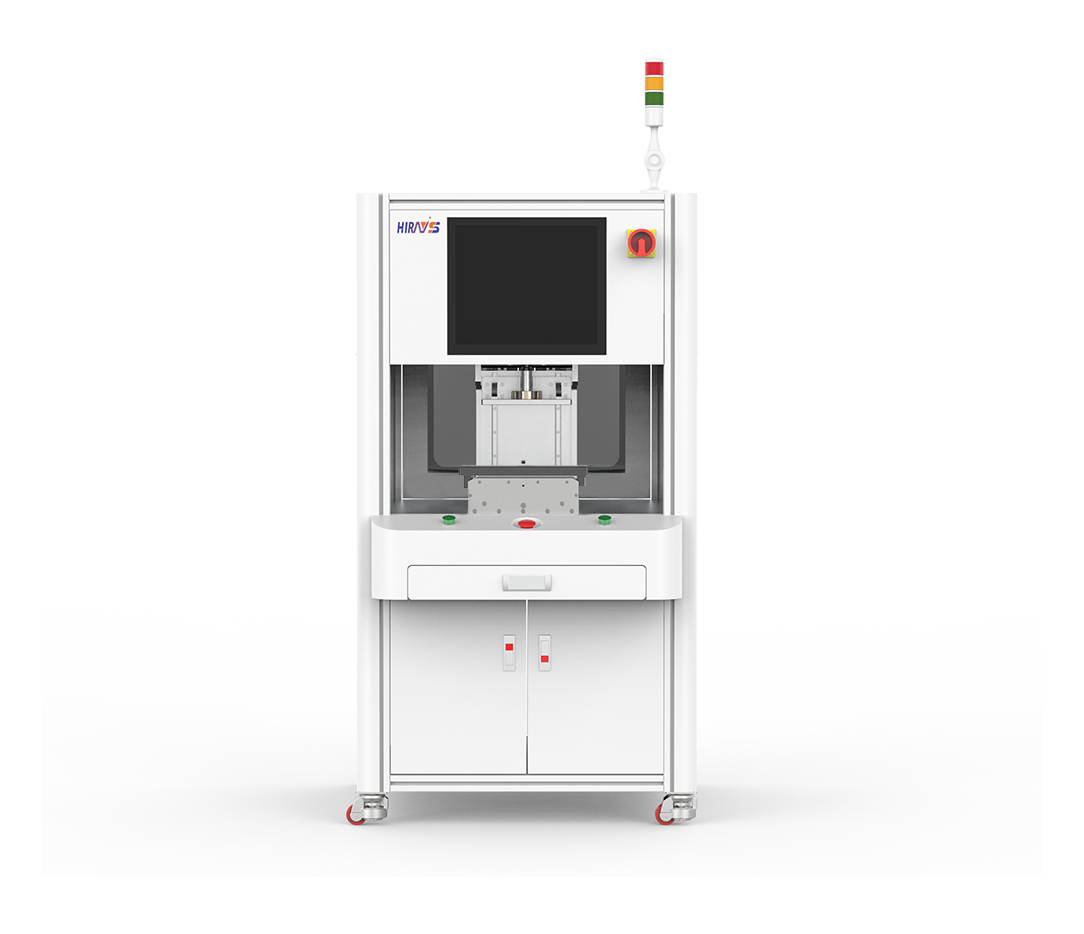
In nitrogen and hydrogen air tightness testing, it is crucial to choose appropriate testing equipment.Different equipment has different accuracy and sensitivity. For example, using a mass flow meter or a micro leak tester can achieve higher detection accuracy at lower gas flow rates.According to industry standards, it is recommended to use equipment capable of detecting less than 1×10^-9 Pa m³/s (Pa cubic meters per second) to meet the need for higher accuracy.With the development of technology, many modern devices also provide visual interfaces and data analysis functions, which not only improves detection speed, but also enhances user experience.
Step 2: Optimize the detection process
Optimizing the process for nitrogen and hydrogen air tightness testing can significantly improve efficiency.Develop standardized testing procedures, including sample preparation, equipment calibration, and data recording.Regularly maintain and calibrate equipment to ensure it is always in optimal working condition.According to industry data, standardized processes can improve detection efficiency by 30% to 50%.The implementation of automated inspection technology is also the key to improving efficiency, such as repetitive inspection through robotic systems to reduce interference from human factors and reduce errors.
Step 3: Train qualified operators
The operator's skills directly affect the accuracy and efficiency of detection.Strengthening professional training on nitrogen and hydrogen air tightness testing will make operators familiar with the use of testing equipment and troubleshooting skills, which can significantly reduce the incidence of misoperation.Data shows that operators who have received professional training can increase their detection accuracy by more than 20%.Therefore, companies should conduct regular training activities and evaluate personnel learning outcomes to ensure that each employee masters the necessary skills.For new employees, systematic onboarding training is also essential.
Step 4: Data Analysis and Management
In nitrogen and hydrogen air tightness testing, data collection and analysis are important links to improve accuracy.By implementing advanced data management systems, such as cloud computing and big data analytics tools, you can more quickly analyze detection results, identify potential leak patterns, and take appropriate action.In high-frequency inspections, the use of data visualization technology can help technicians quickly understand the inspection results and improve the speed and accuracy of decision-making.Studies have shown that scientific data collection and analysis can improve the reliability of test results by about 15%.
Step Five: Continuous Improvement and Feedback Mechanism
Continuous improvement is the key to ensuring the long-term reliability of nitrogen and hydrogen air tightness testing.Enterprises should establish a feedback mechanism to regularly review and analyze the testing process to identify potential problems and improvement opportunities.For example, by collecting customer feedback and employee suggestions, organizing seminars, and quickly responding to and solving problems that arise during testing.At the same time, regular updates of testing processes and equipment in conjunction with industry standards and technological developments can ensure the long-term effectiveness of testing.Practice shows that after enterprises implement continuous improvement, the pass rate increases by about 25%.
Practical advice
- Choose high-performance equipment to ensure detection accuracy and reliability.
- Develop standardized processes to optimize detection efficiency.
- Strengthen operator training and improve professional skills.
- Use data analysis to improve the reliability of test results.
- Establish an effective feedback mechanism to achieve continuous improvement.
When performing nitrogen and hydrogen air tightness testing, the above five steps can greatly improve the accuracy and efficiency of testing.To contribute to your testing process and ensure product quality and safety, you only need to take effective measures and continue to improve.Want more professional guidance?Please visit our official website or contact us for a free consultation!
in conclusion
In nitrogen and hydrogen air tightness testing, ensuring accuracy and efficiency is the basic guarantee for product quality.By choosing the right testing equipment, optimizing processes, strengthening training, conducting data analysis, and establishing feedback mechanisms, you can effectively improve your testing performance.Visit our website now to get more industry information and professional answers to help your testing project succeed.
-
2026.04.11Good News | Hirays Honored as "Most Investment-Worthy Enterprise" at 2026 AI Glasses China Tour
-
2026.04.11Why are more and more companies opting for RGA technology for power bank electrolyte leakage detection?
-
2026.03.30Commemorating the revolutionary martyrs and inheriting the red spirit | Record of hirays’s theme activity of walking to commemorate the martyrs’ cemetery
-
2026.03.20Starting from June, the sale of non-compliant power banks will be banned: many companies ignore this detection issue
-
2026.03.16After charging 70% in 5 minutes, how can the safety of the power battery be maintained?
-
2026.03.14Overcoming difficulties and showing responsibility, efficient delivery wins praise - a tribute to the four pioneer employees on the production front line
-
2026.03.03Comparison of mass spectrometry technology applications: How do Heris helium mass spectrometers and RGA series enable precision manufacturing?
-
2026.02.26Construction has started | hirays starts a new journey of struggle in 2026
-
2026.02.06Let’s work together to embark on a new journey | The 3rd hirays Fun Games was successfully held
