
How to choose a suitable hydrogen and nitrogen detector for aluminum alloy die-cast parts?
During the aluminum alloy die-casting manufacturing process, excessive hydrogen and nitrogen gas content often leads to pore defects, seriously affecting the mechanical properties and service life of the parts.More and more aluminum alloy parts manufacturers are beginning to pay attention to the selection of hydrogen and nitrogen detectors to ensure that the quality of die castings meets industry standards.Faced with numerous hydrogen and nitrogen detector models and technical solutions on the market, users are often confused about how to choose an accurate and reliable detection instrument that is suitable for the characteristics of aluminum alloy die-cast parts.This article will combine industry needs and the latest technological development to deeply explore the key factors in selecting a hydrogen and nitrogen detector to help die-casting companies optimize the quality control process and enhance product competitiveness.
The definition of hydrogen and nitrogen detector and its importance in aluminum alloy die casting
The hydrogen and nitrogen detector is a technical equipment specially used to measure the dissolved hydrogen and nitrogen content in aluminum alloy melt.Hydrogen and nitrogen can easily form pore defects in aluminum alloy liquid metal, resulting in reduced strength and shortened fatigue life of aluminum alloy die-casting parts.According to statistics, the scrap rate of aluminum alloy die castings due to hydrogen hole defects can be as high as 8%-12%.Therefore, real-time and accurate monitoring of hydrogen and nitrogen concentrations in the melt is crucial to reducing defects and improving casting quality.The hydrogen and nitrogen detector uses thermal conductivity detection, mass spectrometry or gas chromatography principles to quantitatively measure gas content, helping the production line to adjust melting parameters and argon purging strategies in a timely manner, effectively reducing porosity and improving the product qualification rate.
Technical advantages of choosing a hydrogen and nitrogen detector for aluminum alloy die-cast parts
When choosing a suitable hydrogen and nitrogen detector, technical performance is the primary consideration.High-precision detectors can achieve micro-measurement of dissolved gas concentrations, with accuracy usually reaching 0.01ppm level, meeting strict aluminum alloy quality requirements.At present, mainstream detection instruments mostly use gas evolution method combined with thermal conductivity detection technology. Compared with the traditional platinum electrode method, it has the advantages of fast response, good repeatability and low maintenance cost.Some advanced instruments support automatic sample processing and data collection, realizing fully automatic operation, reducing manual errors and improving detection efficiency.According to the "China Aluminum Industry Quality Report", the defect rate of parts in aluminum alloy die-casting factories equipped with high-performance hydrogen and nitrogen detectors has dropped by about 15%.
Typical application scenarios of hydrogen and nitrogen detectors for aluminum alloy die-cast parts
Hydrogen and nitrogen detectors are widely used in many aspects of aluminum alloy die-casting production: detection of liquid aluminum solution in the smelting furnace, monitoring of the aluminum alloy melt circulation system, and measurement of sample gas release before cooling.For example, a large auto parts factory uses a hydrogen and nitrogen detector to conduct online monitoring of liquid aluminum at the furnace outlet, achieving stable hydrogen content control below 0.15ppm and reducing the pore defect rate by 20%.Not only that, the detector can also assist the R&D team in optimizing alloy formulas and smelting processes to ensure product performance and production safety.In response to the trend of die-casting automation, some equipment can be integrated with intelligent manufacturing systems to achieve cloud management and algorithm analysis of production data, greatly improving the quality management level of aluminum alloy die-casting.
Standard procedures and precautions for hydrogen and nitrogen testing of aluminum alloy die-cast parts
The correct detection process directly affects the data accuracy and the service life of the detector.Standard hydrogen and nitrogen detection is usually divided into four steps: sample preparation, gas release, data collection and result analysis.A sample is taken from the melt and injected into the detector, where the dissolved gas is released using vacuum or heat.Subsequently, the thermal conductivity cell detects the gas concentration, and the software is used for verification and comparison.During operation, attention must be paid to the tightness of the sample to prevent atmospheric nitrogen from infiltrating and affecting the results. At the same time, the detector must be calibrated regularly to ensure long-term stable operation.Equipment maintenance requires regular replacement of sensors and cleaning of pipelines to prevent residue clogging.Only by strictly implementing operating procedures can reliable hydrogen and nitrogen content data be obtained to assist production decisions.
Practical advice: How to choose a suitable hydrogen and nitrogen detector for aluminum alloy die-cast parts
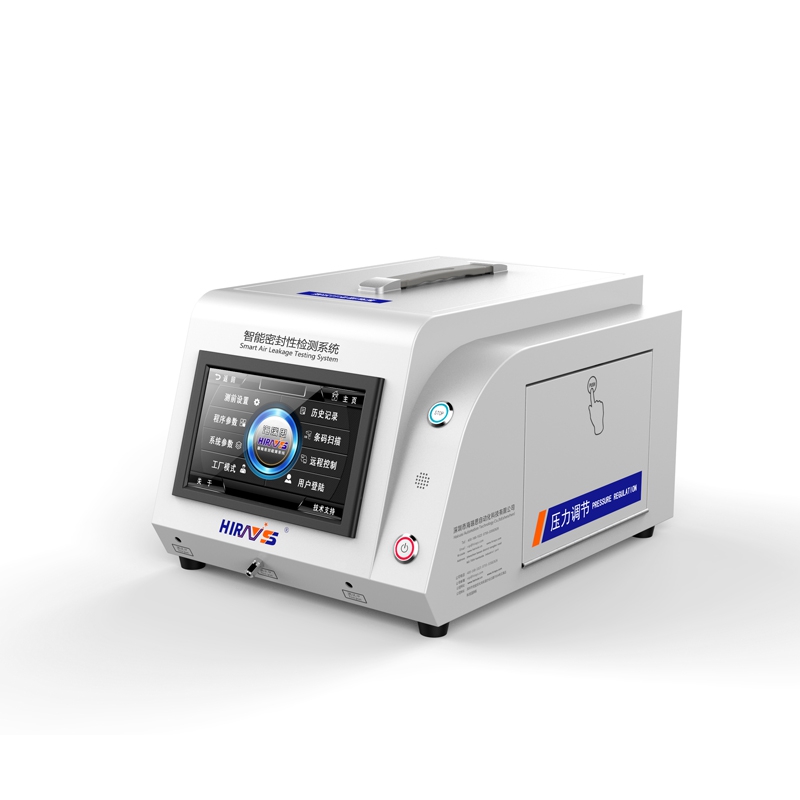
- Clarify testing requirements:According to the type of aluminum alloy material and production scale, the required detection accuracy and response speed are determined to avoid cost waste caused by blindly purchasing high-end complex instruments.
- Evaluation instrument technical parameters:Focus on detection accuracy (such as minimum 0.01ppm), sample processing methods, operation automation and stability, and select according to the actual process requirements of the company.
- Consider after-sales service and training:Choose a manufacturer that provides professional training, equipment calibration and rapid maintenance to ensure long-term efficient operation of the equipment and reliable test results.
- Support intelligent integration capabilities:Give priority to hydrogen and nitrogen detectors with data networking and intelligent analysis functions to help enterprises achieve digital quality control upgrades.
- On-site trial and word-of-mouth reference:It is recommended to contact the manufacturer to apply for on-site demonstration or trial, and make a decision after evaluating the overall performance of the equipment based on feedback from peer companies.
Are you also hesitating about choosing a suitable hydrogen and nitrogen detector?Welcome to contact us for professional advice and solutions!If you want to know more about aluminum alloy die-casting inspection technology, visit our official website!
Conclusion: Choose a professional hydrogen and nitrogen detector to improve the quality assurance of aluminum alloy die-casting
Accurately measuring the hydrogen and nitrogen content in aluminum alloy die-cast parts is a key link to improve the performance of aluminum alloy products and reduce pore defects.By rationally selecting hydrogen and nitrogen detectors with advanced detection technology, high sensitivity and good after-sales service, companies can effectively control gas impurities in the production process and ensure stable product quality.As the industry's leading supplier of hydrogen and nitrogen detectors, we are committed to providing customized solutions for aluminum alloy die-casting plants to help you upgrade your quality.Visit our official website now to learn more professional product information, or contact us for free technical consultation, and let us work together to ensure the excellent quality of aluminum alloy parts!

