How to efficiently perform seal leak detection on automotive components: a 5-step practical guide
In the automotive manufacturing and repair industry, sealing is an important factor in ensuring vehicle safety and performance.Common user pain points include: How to quickly test the tightness of automobile parts?How to choose appropriate detection technology to improve detection efficiency?With the continuous development of automobile technology, the requirements for seal leakage detection are becoming increasingly strict.This article will provide you with a systematic 5-step practical guide to help you adopt an efficient seal inspection program to ensure the quality and performance of automotive parts.
Step 1: Choose the appropriate detection method
There are many methods for seal leak detection, and common ones include helium detection, vacuum detection, and pressure detection.According to the international standard ISO 14624, helium detection is due to its high sensitivity (detected leaks can be as small as 1×10⁻¹⁰mbar·l/s) and is widely used.In practical applications, appropriate testing methods can be selected based on the material, structure and use environment of automobile parts.
For example, the helium leak detection method for aluminum car shells can effectively detect potential leaks at seams and welding points.At the same time, for plastic parts, you can choose the gas flow detection method, which is simpler and less expensive.
Step 2: Optimize testing equipment
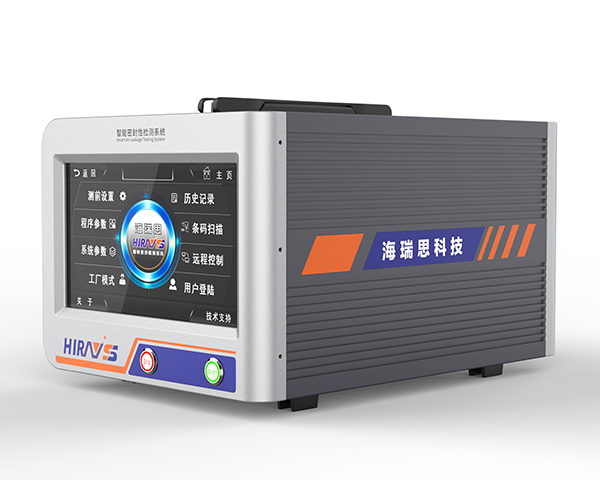
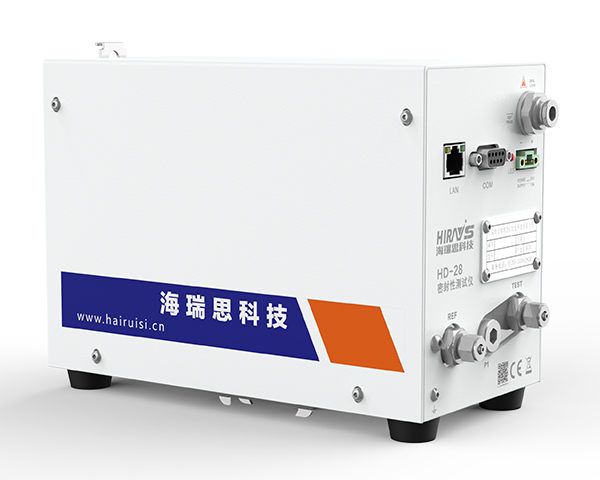
Choosing efficient and advanced testing equipment can greatly improve the efficiency and accuracy of leak detection.There are currently a variety of intelligent detection equipment on the market, such as portable helium detectors, which are often equipped with real-time data analysis and remote monitoring functions.According to one study, leak detection time can be shortened by more than 50% using efficient equipment.
When performing automotive component sealing testing, it is recommended to calibrate the equipment regularly to ensure the accuracy and stability of the testing.Ensuring the equipment is suitable for on-site operation and can operate effectively in a variety of environments is also key.
Step 3: Implement standardized operating procedures
In order to ensure the efficiency and consistency of leak detection work, it is recommended to develop a set of standardized operating procedures.This includes training of operators, preparation before testing, and data recording after testing.This can help reduce manual errors and increase the confidence of detection results.
For example, to implement the principle of "check for leaks first and then operate", inspectors must complete all preparations and confirm that the equipment is in normal working condition before operating.Regularly reviewing and optimizing the inspection process will help improve the team's overall inspection capabilities and efficiency.
Step 4: Analyze and record test data
Complete inspection data records are the basis for subsequent problem tracking and quality improvement.After seal leakage detection, the results must be entered into the database in a timely manner and data analysis must be performed.Through data analysis, we can discover the patterns of leakage sources and make targeted improvements based on actual problems.
Research shows that regular data review and analysis can help identify long-term risks and reduce the incidence of failures.For example, an automobile manufacturer used data analysis tools in quality control to reduce failure rates by 30%.
Step 5: Continuous improvement and feedback mechanism
Continuous improvement is key to the success of any inspection process.In seal leak detection, it is recommended to establish a feedback mechanism to encourage technicians and operators to provide feedback on problems during the detection process and adjust detection plans and methods in a timely manner.Not only does this improve team morale, it also significantly improves the overall quality and effectiveness of seal inspections.
For example, regular internal quality review meetings are held to study testing optimization solutions and share best practices to promote the exchange and summary of experience.These activities will help the team form a good improvement culture and promote overall quality improvement.
Summary and suggestions
- Choose a suitable detection method, such as helium detection, to improve sensitivity and efficiency.
- Purchase and maintain efficient testing equipment to ensure its accuracy and reliability.
- Develop standardized operating procedures to reduce human error and improve consistency.
- Regularly record and analyze inspection data to identify potential problems.
- Establish a feedback mechanism to promote continuous improvement and knowledge sharing.
in conclusion
Efficient seal leak detection in automotive components not only improves product quality and reliability, but also earns manufacturers a good reputation.By implementing the above 5 practical steps, you will be able to effectively improve detection efficiency and ensure vehicle safety.If you would like to learn more, please visit our website or contact a professional consultant for a free consultation!
-
2026.11.13Hirays Completes Delivery of a Major RGA Project for a Leading New Energy Customer
-
2026.11.13Hirays Named a National-Level "Little Giant" Enterprise
-
2026.11.13Media Coverage | Precision Testing Sector Gains Fresh Capital Backing: Hirays Technology Completes Series B Financing
-
2026.11.06Joining Forces, Starting Anew, Winning the Future Together | HIRAYS Marks 18 Years with a Team-Building Journey in Qingyuan
-
2026.11.06HIRAYS Shares RGA Quadrupole Mass Spectrometry Leak-Detection Expertise at CQC Compliance Training in Shenzhen
-
2026.11.06Leaders of CQC Shenzhen Branch Visit HIRAYS for Inspection and Guidance, Discuss Quality Improvement and Technological Innovation
-
2026.11.04The Full Hirays HM Mass Spectrometry Portfolio in One Place: One-Stop Protection for High-End Precision Manufacturing
-
2026.11.04HM-230 RGA: In-Situ Gas Monitoring Across Multiple Pressure Regimes
-
2026.11.04A New Frontline Defense for Line Yield: Hirays' HM-150 RGA Stands Up to Harsh Process Conditions to Protect Every Wafer