
Introduction to the importance of waterproofness testing and its standard procedures
In the design and production process of modern products, waterproof testing has become an important link that cannot be ignored.Whether it is smartphones, cars, home appliances, or outdoor equipment, the quality of waterproof performance is directly related to the service life of the product and consumer satisfaction.Imagine if you had just purchased a high-end smartwatch and found that it quickly became damaged when used in the rain. The credibility of the product would instantly collapse.Therefore, water resistance testing is not only the "line of defense" for quality assurance, but also the cornerstone of brand trust.
This article will give you an in-depth understanding of the importance of waterproofness testing, explore its standard process, and provide some actionable suggestions to help companies improve product quality and ensure user experience.
The Importance of Water Resistance Testing: From Product Protection to Brand Trust
In the electronic products we use every day, water resistance is often regarded as an "invisible" advantage.It may seem inconspicuous, but it is one of the core factors affecting product durability and performance.Imagine you are running outdoors with your phone in hand and it suddenly starts raining heavily.At this point, the phone's ability to withstand the intrusion of water droplets determines whether it can continue to provide services to you or be scrapped quickly.
Waterproofness is not only related to the quality of the product itself, it also directly affects the brand image.A brand that passes strict waterproof testing can establish a "trustworthy" image in the minds of consumers.Just imagine, if your brand can provide a 100% waterproof guarantee on the market, consumers will naturally choose you instead of competitors with unclear testing standards.
Standard process for water resistance testing: from simulation to verification
The core purpose of waterproof testing is to ensure that the product can work stably for a long time in various water environments.In order to achieve this goal, the testing process usually includes two stages: simulation testing and verification testing.
1. Preliminary simulation: environmental testing
The first step in water resistance testing is simulated environment testing.This stage mainly simulates extreme weather conditions in the laboratory, including different scenarios such as high humidity, rainfall, and flooding.For example, testers will expose the product to an environment that simulates heavy rain, simulating the impact of water flow that the product may encounter.
For example, if you are producing a smart bracelet, then in a simulated environment, you may need to put the bracelet into a temperature-controlled room and simulate a long-term high humidity environment, or even directly expose it to water flow to test whether it can continue to work normally.This is not only a test of waterproofness, but also a verification of the overall design of the product.
2. Waterproof level test: IP standard
Next, the waterproof level test is mainly based on the international standard IP (Ingress Protection) level.The IP rating consists of two numbers. The first number indicates the level of protection against solid substances, and the second number indicates the protection against liquids.The common IP68 rating means the device is completely dustproof and can withstand water immersion for a certain period of time.
Specifically, IP testing usually includes the following links:
- IPX7:The equipment can be immersed in water up to 1 meter deep for 30 minutes.
- IPX8:The equipment can withstand immersion to a depth of more than 1 meter, or even longer.
- IP69K:The equipment can withstand high-pressure hot water washing and is suitable for use in extreme environments.
Take a smartphone as an example. An IP68-rated mobile phone means it can be immersed in water up to 1.5 meters deep for up to 30 minutes without being affected.This testing standard provides consumers with a clear and reliable guarantee of a product’s ability to be waterproof.
3. Durability testing: verification under extreme environments
Water resistance testing does not just stop at the laboratory simulation stage. The real challenges often come from verification in extreme environments.Testing at this stage often includes comprehensive tests under various extreme conditions such as high temperature, high pressure, low temperature, vibration, etc. to ensure that the waterproofness of the product will not fail under long-term use and harsh conditions.
For example, a high-end action camera not only needs to prevent the intrusion of rainwater, but also must be able to withstand the pressure in a deep sea environment.In this test, products may be immersed in seawater up to 30 meters deep and subjected to impact forces for several hours.This not only tests its waterproof design, but also tests its sealing technology and pressure resistance.
How to improve the standards and effects of waterproof testing: actionable suggestions
Through the above understanding of the waterproof testing standard process, we can summarize some specific suggestions to improve testing results and standards to help companies ensure product quality and build market trust.
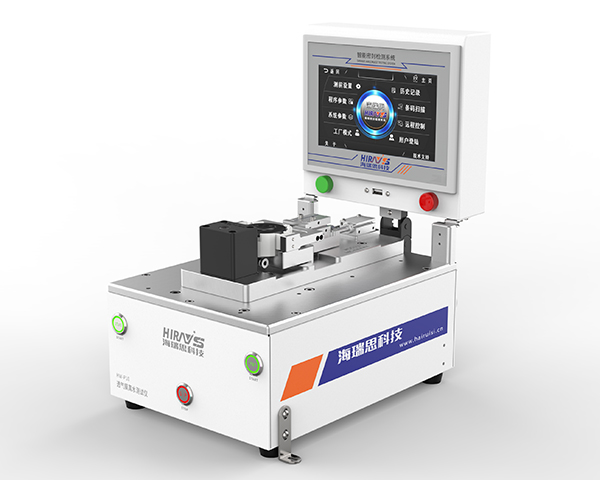
- Suggestion 1: Choose testing equipment that meets international standardsIn order to ensure the accuracy and reliability of test results, companies should use testing equipment that meets international standards.These devices not only provide accurate data, but also help developers identify potential design flaws.For example, IP test boxes are used to conduct immersion tests at different water depths to simulate real usage scenarios.
- Recommendation 2: Simulate multiple scenarios to ensure comprehensive testingWater resistance testing should not only be limited to water immersion, but should also cover multi-scenario simulations of extreme environments.For example, testing in high-temperature environments can simulate the impact of sun exposure on product waterproofness.Through comprehensive testing under a variety of environmental conditions, products can withstand various possible challenges.
- Recommendation 3: Conduct durability testing strictly in accordance with the product life cycleSimply conducting a short-term water immersion test is not enough.Enterprises need to design reasonable durability tests based on the product life cycle.For example, some outdoor sports products need to go through hundreds of high-pressure washing tests to ensure that their waterproof performance is not affected even in extreme use environments.
- Recommendation 4: Strengthen the tracking and analysis of test dataWater resistance testing is not only a single event, but a continuous process.Through systematic data tracking and analysis, companies can identify potential design problems and make timely adjustments.Enterprises should establish an effective waterproof test data management system to track the performance of each product in a timely manner.
Conclusion: Water resistance testing is a bridge of trust between businesses and consumers
Water resistance testing is not just a technical requirement, it is a bond of trust between enterprises and consumers.Through strict standard processes, we can not only ensure product quality, but also bring long-term competitiveness to the brand.I hope that the introduction of this article can help you deeply understand the importance of waterproof testing and provide you with some actionable suggestions.
If you have any questions about waterproofness testing, please leave a message below to interact with us.We believe that after each rigorous test, your product will be even better and win the trust and favor of users!
-
2026.04.11Good News | Hirays Honored as "Most Investment-Worthy Enterprise" at 2026 AI Glasses China Tour
-
2026.04.11Why are more and more companies opting for RGA technology for power bank electrolyte leakage detection?
-
2026.03.30Commemorating the revolutionary martyrs and inheriting the red spirit | Record of hirays’s theme activity of walking to commemorate the martyrs’ cemetery
-
2026.03.20Starting from June, the sale of non-compliant power banks will be banned: many companies ignore this detection issue
-
2026.03.16After charging 70% in 5 minutes, how can the safety of the power battery be maintained?
-
2026.03.14Overcoming difficulties and showing responsibility, efficient delivery wins praise - a tribute to the four pioneer employees on the production front line
-
2026.03.03Comparison of mass spectrometry technology applications: How do Heris helium mass spectrometers and RGA series enable precision manufacturing?
-
2026.02.26Construction has started | hirays starts a new journey of struggle in 2026
-
2026.02.06Let’s work together to embark on a new journey | The 3rd hirays Fun Games was successfully held
