
How to conduct a tightness test: a key step to improving product quality
With endless product choices, consumers are often faced with a puzzle: why some products stand out from the competition while others remain silent.Have you ever thought that the secret might be that invisible seal?Imagine that a leaking water pump or poorly sealed packaging will undoubtedly make consumers dissatisfied with the brand and even lead to safety hazards.This article will give you an in-depth understanding of the importance and methods of sealing testing, and provide you with key solutions for improving product quality.
What is a tightness test?
Tightness testing refers to a series of methods to evaluate whether a product can effectively block the penetration of gas or liquid in a specific environment.This kind of testing is vital to many industries, especially in the pharmaceutical, food and automotive sectors.For example, the storage process of a bottle of medicine needs to maintain a sterile environment. Any small seal failure may cause the product to deteriorate and affect the efficacy.Likewise, a car's fuel system must remain sealed to prevent oil leakage from causing safety hazards.
In order to achieve high-quality sealing, it is not only the responsibility of the company, but also a commitment to consumer safety.Imagine that when you buy a bottle of drink, do you want the cap to fit tightly, or do you want the liquid to spill out?Therefore, ensuring that the product is well sealed is not only about the quality experience, but also the cornerstone of brand credibility.
Various methods of tightness testing
There are many methods for sealing testing, the common ones include air tightness testing, liquid tightness testing and vacuum sealing testing. Each method should choose the most appropriate testing method according to the product characteristics.Below we will introduce you to these testing methods respectively, and illustrate their application scenarios with practical examples.
Air tightness test
Air tightness testing is the process of testing whether a product can effectively prevent gas leakage.The strength of the seal is evaluated by using a gas, usually helium or air.Typical application scenarios include the casings of electronic products, especially high-tech devices such as mobile phones and tablets.Imagine if your phone malfunctioned even if it was exposed to just a slight drop of water. This would not only disappoint the user, but could also lead to the scrapping of the product.
In actual operation, air tightness testing can be carried out by pressurized gas injection, or vacuum technology can be used for testing.By monitoring pressure changes in real time through equipment, companies can discover potential hazards in advance and reduce the risk of product recalls in the future.
Liquid tightness test
The liquid tightness test is to inject a specific liquid into the product to test its ability to block liquids.This method is widely used in industries such as medical devices and food packaging.For example, the performance of a sealed jar directly affects the freshness of ingredients.If the seal is not tight, the food will easily deteriorate and even be at risk of bacterial infection.
When conducting liquid tightness testing, a well-designed test bench and measuring instruments can effectively simulate real usage scenarios.This kind of testing can help companies better understand the challenges that products may encounter in actual use and formulate solutions in advance to improve user satisfaction and security.
Vacuum seal test
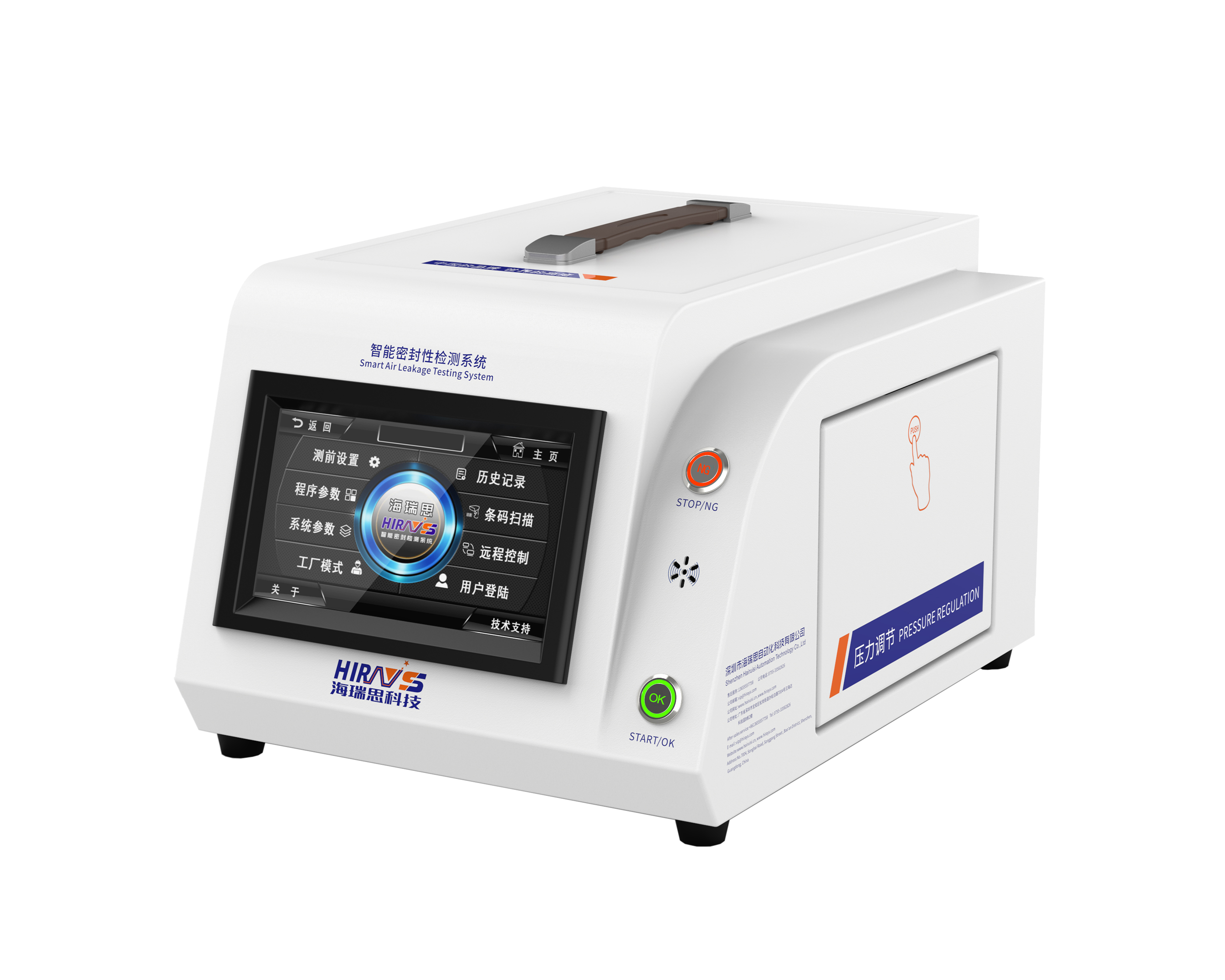
Vacuum seal testing is often used for products that need to be stored in an oxygen-free environment, such as certain pharmaceuticals and foods.Imagine opening a package of dry goods in your kitchen that has been stored improperly. What you see may be mold and odor because the seal was not properly tested.
When conducting vacuum seal testing, companies simulate a low-pressure environment to test the product's ability to prevent leakage in this environment.This helps companies ensure the stability and safety of their products in long-term storage, further enhancing users’ purchasing confidence.
How to perform tightness testing efficiently?
Now that you have a better understanding of leak tightness testing and its importance, you may be wondering how to perform these tests efficiently.Here are some concrete, actionable suggestions to help you achieve high standards of seal testing in product development.
- Develop a standardized testing process:For example, establishing a standard air tightness testing process is like formulating a perfect recipe to ensure perfection every time.During the implementation process, records and feedback are maintained so that test results can be traced.
- Choose the right testing equipment:Investing in high-precision testing equipment is like equipping an artist with the best paintbrushes.These devices not only provide more reliable results, but also increase the efficiency of testing, allowing you to quickly respond to challenges in the market competition.
- Regular training team:Conduct regular training for the team to ensure that each member masters the latest testing technologies and processes, as if constantly updating their own knowledge base.Every employee is the guardian of the brand. Only when their professional quality is improved can the company move forward steadily.
- Create a good feedback mechanism:Encourage users to give feedback after using the product, just like a food review. Everyone has the opportunity to express their opinions and experiences, which will help the product continue to improve.
- Carry out regular retesting:Set a reasonable retest frequency to monitor the performance of the product after long-term use.Just like regular physical examinations, you can never ignore the importance of good health; similarly, the quality of products also requires continuous attention.
in conclusion
Sealing testing plays a vital role in product development. It is not only related to user safety and experience, but also the transmission of corporate reputation.Through scientific testing methods and efficient execution strategies, you will be able to enhance the market competitiveness of your products and increase user trust.Hirays is committed to helping companies achieve excellent product quality so that every user can use it with peace of mind.Are you ready to take the first step towards integrity for your product?Leave a comment and tell us what you think!
-
2026.04.11Good News | Hirays Honored as "Most Investment-Worthy Enterprise" at 2026 AI Glasses China Tour
-
2026.04.11Why are more and more companies opting for RGA technology for power bank electrolyte leakage detection?
-
2026.03.30Commemorating the revolutionary martyrs and inheriting the red spirit | Record of hirays’s theme activity of walking to commemorate the martyrs’ cemetery
-
2026.03.20Starting from June, the sale of non-compliant power banks will be banned: many companies ignore this detection issue
-
2026.03.16After charging 70% in 5 minutes, how can the safety of the power battery be maintained?
-
2026.03.14Overcoming difficulties and showing responsibility, efficient delivery wins praise - a tribute to the four pioneer employees on the production front line
-
2026.03.03Comparison of mass spectrometry technology applications: How do Heris helium mass spectrometers and RGA series enable precision manufacturing?
-
2026.02.26Construction has started | hirays starts a new journey of struggle in 2026
-
2026.02.06Let’s work together to embark on a new journey | The 3rd hirays Fun Games was successfully held
