
How to effectively use air tightness testing equipment to improve detection efficiency and accuracy
Imagine your air-tightness testing equipment is like a fine chef with unique skills, but encounters the tense situation of shortage of ingredients and tight time in the kitchen.How can the chef get the best out of this context?
Similarly, air tightness testing equipment is also an invisible "chef" that can help us ensure the sealing effect of gases and fluids in various applications.However, simple operations are not enough to improve testing efficiency and accuracy.This article will help you get the best out of your equipment with specific operating tips and practical advice.
Understand how air tightness testing equipment works
Knowing how your air tightness testing equipment works is like having the key to a delicious meal.Air tightness testing equipment mainly detects air leakage by creating a closed environment. Commonly used testing methods include pressure pulse method, vacuum method and gas leakage detection method.Each method has its own unique advantages and disadvantages, and choosing the right method is crucial.
For example, when using the pressure pulse method, you can precisely control pressure changes, which can give accurate test results in a short time.Imagine you are inspecting a newly manufactured sealed container. Using this method allows you to quickly detect potential leaks, so product quality is no longer a worry for you.
How-To: Perform Equipment Calibration
A precise pencil can only draw perfect curves after being calibrated. Air tightness testing equipment also needs to be calibrated regularly to ensure the accuracy and reliability of the data.Equipment wears out over time, which can cause deviations in readings.
In order to ensure the accuracy of air tightness testing, it is recommended that you develop a device calibration plan.For example, you could perform a brief self-test before each use of the device, similar to what a pilot would do before taking off.This not only reduces errors, but also allows you to take steps before problems occur.
Choose the right testing environment
Choosing a test environment is like preparing a perfect set of kitchen tools for your chef. The better the environmental conditions, the more comfortable the equipment will be.Noise, temperature and humidity can all affect test results.For example, high temperatures can cause gases to expand, producing erroneous readings, so try to choose a temperature-stable, well-ventilated environment when conducting air tightness testing.
Keeping your testing equipment clean is also crucial, just like maintaining a hygienic kitchen.The presence of contaminants can cause misreadings, so ensuring equipment is clean is a key factor in testing results.
Record test data and analyze trends
Imagine that every inspection is like casting a gorgeous sculpture, and the recorded data is every forging trace that shapes the sculpture.To improve the efficiency of air tightness testing, timely recording and analysis of test data is an indispensable step.
By regularly analyzing historical data, you can uncover underlying trends and patterns.For example, if the leakage rate of a specific product shows an upward trend over a period of time, there may be a problem with the manufacturing process or materials, and it is particularly important to adjust the production strategy in advance.Through data detection, you are like a smart navigator, able to understand the wind direction at any time and make the best navigation decision when cruising on the sea.
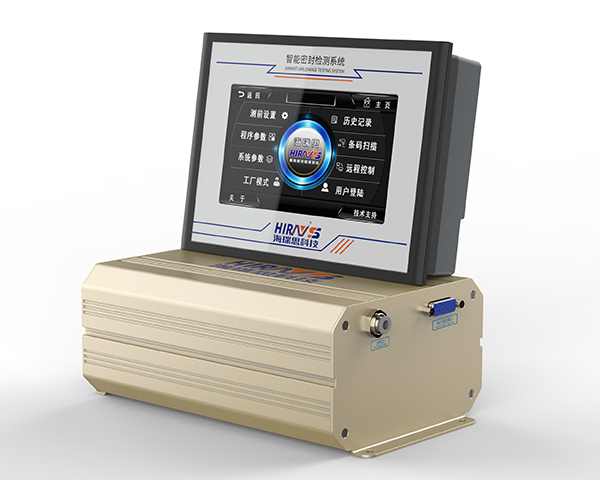
Train operators and improve operational skills
A skilled chef can create delicious food, and a skilled operator can make the most of airtight testing equipment.Regular training and skill improvement of operators will greatly improve the efficiency and accuracy of testing.
The training content not only includes the basic operation of the equipment, but also includes testing standards, troubleshooting and equipment maintenance.For example, by simulating actual test scenarios, operators can encounter common faults during training, so that they can deal with unexpected problems more calmly in actual work.
Summary, suggestions to improve the efficiency and accuracy of air tightness testing
Through scientific management and flexible operation of air tightness testing equipment, you can effectively improve detection efficiency and accuracy.Here are some actionable suggestions:
- Calibrate equipment regularly:Just like tuning an instrument, maintaining the accuracy of your equipment.
- Choose the right environment:Give the device a comfortable "home" to ensure stability under testing conditions.
- Recording and analysis:Like a sculptor, record the results of each test and adjust the direction in time.
- Training team:Let every operator become a consummate "chef".
in conclusion
With the methods above, you can take your air tightness testing to the next level.Air tightness testing is not only part of the process, but also an important step in ensuring product quality and safety.I hope you can continue to optimize in exploration and practice, so that the air tightness testing equipment can truly become a powerful assistant in your work!
So, are you ready to take on the new challenge of air tightness testing?Leave a comment and tell us what you think!

-
2026.04.11Good News | Hirays Honored as "Most Investment-Worthy Enterprise" at 2026 AI Glasses China Tour
-
2026.04.11Why are more and more companies opting for RGA technology for power bank electrolyte leakage detection?
-
2026.03.30Commemorating the revolutionary martyrs and inheriting the red spirit | Record of hirays’s theme activity of walking to commemorate the martyrs’ cemetery
-
2026.03.20Starting from June, the sale of non-compliant power banks will be banned: many companies ignore this detection issue
-
2026.03.16After charging 70% in 5 minutes, how can the safety of the power battery be maintained?
-
2026.03.14Overcoming difficulties and showing responsibility, efficient delivery wins praise - a tribute to the four pioneer employees on the production front line
-
2026.03.03Comparison of mass spectrometry technology applications: How do Heris helium mass spectrometers and RGA series enable precision manufacturing?
-
2026.02.26Construction has started | hirays starts a new journey of struggle in 2026
-
2026.02.06Let’s work together to embark on a new journey | The 3rd hirays Fun Games was successfully held
