
Introduction to the working principle and application of air tightness testing equipment
In modern industrial production, air tightness testing has become a key step to ensure product quality.Whether you are manufacturing cars, electronic equipment, or medical devices, air tightness is directly related to the safety, durability and user experience of the product.Imagine the risk if a car window is not completely sealed, or if a cell phone has a tiny leak in its battery compartment!And this is exactly the role of air tightness testing equipment: to help companies discover potential hazards during the production process and ensure that every product can withstand the test.Today, we will take an in-depth look at how air tightness testing equipment works and its wide range of applications.
1. Working principle of air tightness testing equipment
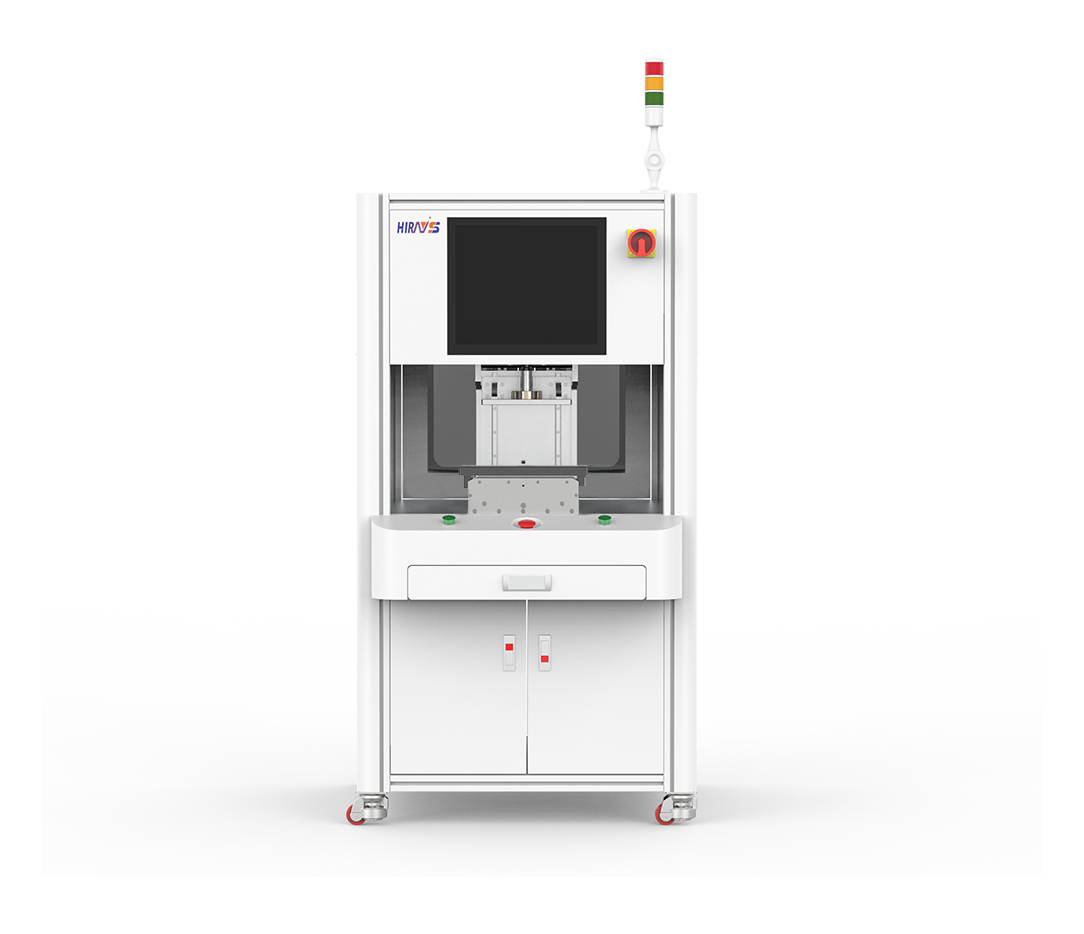
Air tightness testing equipment mainly judges the sealing performance of an object by detecting whether there is a small gas leak.This process is usually achieved through the following methods:
1. Air pressure method: accurate and efficient
The air pressure method is the most common air tightness testing method.The device fills the object to be detected with a certain amount of gas and detects changes in its internal pressure through a sensor.If gas leaks, the internal pressure will change, and the device will determine whether there is a leak by comparing the detected air pressure value.This method is suitable for the detection of simple structures such as seals and packaging boxes.
Example:For example, we need to test the waterproof performance of a smartphone. The air pressure method can quickly determine whether there are small cracks or gaps in the shell of the phone by inflating the inside of the phone and detecting changes in air pressure.
2. Vacuum method: suitable for complex structures
For some products with complex shapes and large volumes, the vacuum method is a more effective detection method.The vacuum method puts the object to be measured into a vacuum environment and observes changes in its external pressure.If an object leaks, the external pressure changes, allowing the leak to be detected.This method is often used to test the sealing properties of automotive parts, aviation equipment, etc. that require high requirements.
Example:For example, in the aerospace field, the sealing of aircraft is crucial.The vacuum method can simulate the high-altitude environment and detect whether the aircraft can effectively prevent gas leakage under high and low pressures to ensure flight safety.
3. Gas detection method: high precision and low leakage
The gas detection method uses high-precision gas sensors to detect gas leaks, and is usually suitable for detecting small gas leaks.This method fills the object to be measured with gas and uses detection instruments to analyze the leaked gas components. It can respond to extremely small gas leaks and is especially suitable for some scenarios that are very sensitive to gas components, such as packaging inspection of electronic components.
Example:For example, when producing electronic equipment, gas detection methods can ensure that the packaging of each component is not affected by external gases and prevent circuit boards from getting damp or corroded, thus improving the stability and service life of the equipment.
2. Application fields of air tightness testing equipment
With the continuous advancement of technology, the application scope of air tightness testing equipment is becoming increasingly wider.It not only plays an important role in traditional manufacturing, but is also widely used in many emerging industries.
1. Automotive industry: ensuring safety and comfort
In automobile manufacturing, air tightness testing is mainly used to detect the quality of car body seals, such as the air tightness of window seals, doors, tires and other components.Through air tightness testing, automobile manufacturers can detect potential air leakage problems, thereby preventing excessive noise in the vehicle, improving vehicle comfort, and reducing fuel consumption.
Example:If the windows of a car are not tightly sealed, the interior of the car will not only be disturbed by outside noise, but may also allow rainwater to penetrate, creating a humid environment inside the car and affecting the driving experience.Through air tightness testing, we can ensure that every car can provide drivers with the best riding experience.
2. Medical device industry: ensuring patient safety
Medical devices, especially disposable medical devices such as syringes, infusion tubes, etc., have extremely high sealing requirements.Any small leak could allow air or bacteria to enter, endangering patient health.Air tightness testing equipment can effectively ensure that medical devices meet strict safety standards during the production process and avoid medical accidents due to quality problems.
Example:If a syringe used for intravenous injection is not tightly sealed, it may cause liquid leakage or air to enter the blood vessel, which will greatly threaten the patient's life.Air tightness testing helps manufacturers ensure that every syringe is leak-free to avoid medical accidents.
3. Food packaging industry: improving product freshness
In the field of food packaging, air tightness testing is used to ensure the sealing of packaging bags and prevent air from entering and causing oxidative deterioration of food.Especially in the packaging of high-end food or medicine, air tightness directly affects the shelf life of the product and the consumer experience.
Example:If the sealing of the packaging bag is not good, the flavor, nutrients and shelf life of the food will be greatly reduced after air enters.Through air tightness testing, manufacturers can ensure that each bag of food can stay fresh under optimal conditions.
4. Electronic equipment industry: improving product durability
With the popularity of smart devices, the sealing of electronic devices is becoming more and more important.Air tightness testing equipment can ensure that there are no tiny leaks in the casings of mobile phones, smart watches, tablets and other devices, preventing dust and moisture from entering the interior and affecting the performance and service life of the product.
Example:If a mobile phone has minor air tightness problems, it may cause moisture to enter the interior, damaging the circuit board and shortening its service life.Air tightness testing helps manufacturers ensure that each mobile phone can operate normally in a humid environment.
3. How to choose appropriate air tightness testing equipment
When selecting air tightness testing equipment, companies need to comprehensively consider it based on product characteristics, testing requirements and budget.Here are some practical suggestions:
- Determine the detection method:Choose the most appropriate detection method based on the product's structure and sealing requirements.For example, simple packaging bags can use the air pressure method, while for high-precision electronic components, the gas detection method should be used.
- Device sensitivity:Different products have different air tightness requirements. Choosing equipment with higher sensitivity can more accurately detect small leaks and avoid potential quality problems.
- Maintenance and service:Choose an equipment manufacturer with a good brand reputation and complete after-sales service to ensure technical support and maintenance services during the use of the equipment.
- Costs and budgets:When selecting equipment, you must comprehensively consider the equipment price and performance to find the equipment that best suits your production scale and budget.
in conclusion
Air tightness testing equipment is used everywhere in modern industrial production. From automobiles, medical equipment to electronic products, they protect the quality of products.With the advancement of technology, air tightness testing will become more accurate and efficient, helping companies remain invincible in the fierce market competition.Choosing appropriate air tightness testing equipment is not only the key to ensuring product quality, but also a secret weapon to enhance brand competitiveness.
Have you ever encountered problems with air tightness testing equipment?Leave a message to tell us your thoughts and we will provide you with the most professional advice!
This article provides a detailed introduction to the working principle and application fields of air tightness testing equipment.The article enhances readers' understanding and interest through specific examples and metaphors, while also providing practical suggestions to help companies make reasonable choices.
-
2026.04.11Good News | Hirays Honored as "Most Investment-Worthy Enterprise" at 2026 AI Glasses China Tour
-
2026.04.11Why are more and more companies opting for RGA technology for power bank electrolyte leakage detection?
-
2026.03.30Commemorating the revolutionary martyrs and inheriting the red spirit | Record of hirays’s theme activity of walking to commemorate the martyrs’ cemetery
-
2026.03.20Starting from June, the sale of non-compliant power banks will be banned: many companies ignore this detection issue
-
2026.03.16After charging 70% in 5 minutes, how can the safety of the power battery be maintained?
-
2026.03.14Overcoming difficulties and showing responsibility, efficient delivery wins praise - a tribute to the four pioneer employees on the production front line
-
2026.03.03Comparison of mass spectrometry technology applications: How do Heris helium mass spectrometers and RGA series enable precision manufacturing?
-
2026.02.26Construction has started | hirays starts a new journey of struggle in 2026
-
2026.02.06Let’s work together to embark on a new journey | The 3rd hirays Fun Games was successfully held
