
What are the steps for calibrating a waterproofness tester?
Waterproofness testers are an indispensable part of modern testing equipment. Especially in many industries, accurate waterproofness testing can directly affect product quality and user experience.However, when many companies use testing instruments, they often neglect the calibration process of the equipment, resulting in inaccurate test results, which affects decision-making and production processes.Have you ever encountered such confusion: Why are the test results always unsatisfactory despite operating according to standards?This is most likely because your water resistance tester has not been calibrated correctly.Today, we will give you an in-depth understanding of the calibration steps of the waterproofness tester to ensure that your test results are accurate every time and help companies move towards higher quality standards.
The necessity of calibration of waterproofness tester
In many product manufacturing and quality control processes, water resistance testing is considered a crucial step.Whether it is a mobile phone, watch, or home appliance, waterproof performance directly determines the market competitiveness of the product.To ensure the accuracy of waterproofness testing, accurate calibration of the waterproofness tester is indispensable.
As you probably know, all testing instruments will have certain errors over time and with frequent use.This error can be due to wear and tear on internal components, environmental factors, or even design flaws in the instrument itself.Therefore, in order to ensure that the test results will not cause quality problems due to instrument deviation, regular calibration is particularly important.
Analysis of steps for calibration of waterproofness tester
1. Preparation: Make sure the device is in normal use
Before starting the calibration, you first need to check the overall status of the waterproofness tester.Similar to how we check the oil level and tire pressure before starting to drive a car, the health status of the detector directly affects the calibration results.At this time, you need to check whether the instrument is damaged, aged, or has loose parts.If any abnormalities are found, be sure to repair or replace parts.
For example, if the sealing ring of the waterproof tester is worn, it may cause inaccurate air tightness during the test, directly affecting the measurement results.Therefore, ensuring that all components of the instrument are in optimal condition is the basis of calibration.
2. Select standard calibration equipment
To ensure calibration accuracy, you need a certified standard calibration equipment.This equipment should have high accuracy and be able to provide a test environment that matches actual test conditions.For example, you can choose equipment with accurate pressure adjustment functions to simulate pressure environments at various water depths to ensure the test accuracy of the waterproofness tester.
In one actual case, a company once failed to use standard equipment during calibration, resulting in a test error of 5% for their waterproofness tester.This error may seem small, but it will affect the quality of a large number of products.Therefore, choosing appropriate standard calibration equipment can effectively avoid this situation.
3. Environmental control: simulate real working environment
Waterproofness testing often involves environmental factors such as water pressure and humidity, so environmental control is crucial during the calibration process.Generally speaking, calibration of water resistance testers should be performed in a temperature and humidity controlled environment.Too high or too low temperature and humidity will affect the accuracy of the test results.
For example, an electronic product manufacturer once calibrated a waterproofness detector in a humid workshop, and the test data showed deviations.Later, by controlling the temperature and humidity, the test results returned to normal.Therefore, before calibration, the stability of the environment must be ensured to ensure that the test conditions are as close as possible to the real usage scenario.
4. Calibration steps: step-by-step debugging and testing
In actual operation, the calibration of the waterproofness detector usually needs to be completed through step-by-step debugging.You need to fine-tune the detector based on the test results of standard equipment to eliminate initial deviations.Then, by continuously measuring several sets of sample data, it is ensured that the instrument can give accurate readings under different test conditions.
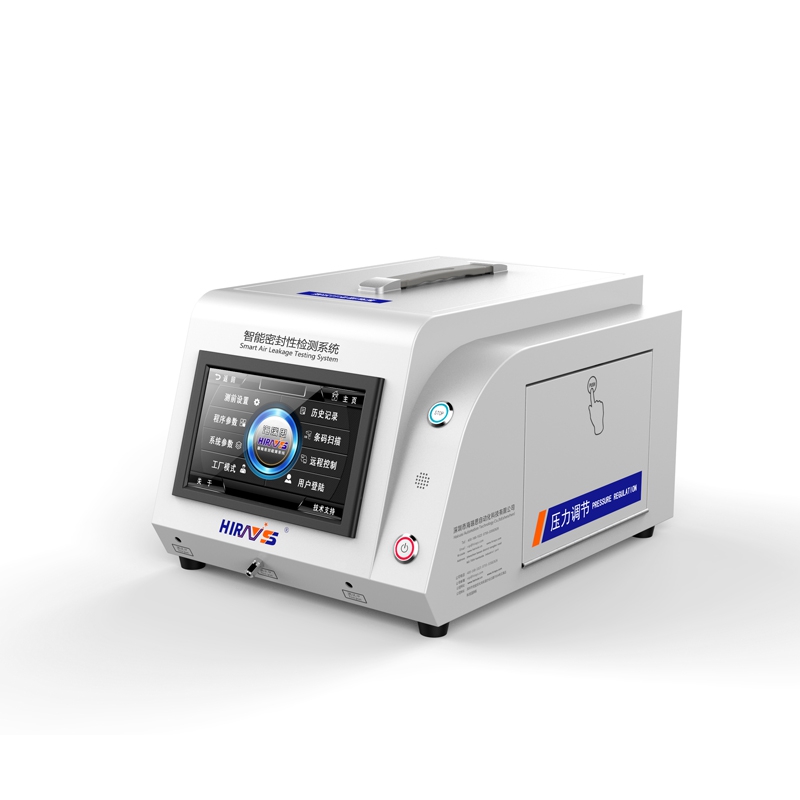
For example, if there is a gap between the measurement results of your calibrated waterproofness detector and the standard equipment at a water depth of 10 meters, then you need to adjust the pressure sensor of the instrument to ensure that its output results are consistent with the standard equipment.This process may require multiple adjustments and testing to ensure that the error is controlled within a reasonable range.
5. Complete calibration and record data
After the calibration is completed, be sure to record all calibration data and generate a corresponding calibration report.This data not only provides you with a basis for future inspections and rechecks, but also serves as proof that the waterproofness tester meets industry standards.
For example, if you are providing waterproofing testing services to an international client, the client may ask to see a calibration report for the equipment.Therefore, maintaining complete records not only enhances your company's professionalism but also enhances your customers' trust.
Things to note after calibrating the waterproofness tester
1. Regular inspection and recalibration
While calibration of a water resistance tester can improve its accuracy, the device can still develop errors over time.Therefore, regular inspection and recalibration are very necessary.Generally, a calibration check every 6 months is the ideal frequency.
2. Care and maintenance
The maintenance of waterproofness tester is equally important.Cleaning the equipment regularly, checking the integrity of the seals, and replacing aging parts in a timely manner will have a positive impact on the calibration results.Small details often determine the accuracy of the test.
3. Train operators
The skill level of the operator directly affects the success of the calibration process.Therefore, operators should be trained regularly to ensure that they master the correct calibration methods and techniques to avoid inaccurate results due to human error.
Summary: Accurate calibration to ensure product quality
The calibration of the waterproofness detector is not just a simple operation step, it involves many factors such as the accuracy of the equipment, environmental control, and the experience of the operator.Every link is related to product quality and user experience.Only through scientific and standardized calibration can we ensure that every waterproof test is authentic and credible.
Are you itching for a thorough equipment calibration?If you encounter any problems during the calibration process, please leave a message to share your thoughts and experiences with us!Hirays is always committed to providing you with the most accurate and reliable waterproof testing instruments and calibration services to help you move towards higher quality standards!
The structure of this article revolves around "Calibration Method of Waterproofness Tester", aiming to help readers understand the necessity of calibration, specific steps and subsequent maintenance requirements, while strengthening brand trust.By adding actual cases and metaphors, the content of the article is vivid and easy to understand, which enhances the emotional resonance of readers.-
2026.04.11Good News | Hirays Honored as "Most Investment-Worthy Enterprise" at 2026 AI Glasses China Tour
-
2026.04.11Why are more and more companies opting for RGA technology for power bank electrolyte leakage detection?
-
2026.03.30Commemorating the revolutionary martyrs and inheriting the red spirit | Record of hirays’s theme activity of walking to commemorate the martyrs’ cemetery
-
2026.03.20Starting from June, the sale of non-compliant power banks will be banned: many companies ignore this detection issue
-
2026.03.16After charging 70% in 5 minutes, how can the safety of the power battery be maintained?
-
2026.03.14Overcoming difficulties and showing responsibility, efficient delivery wins praise - a tribute to the four pioneer employees on the production front line
-
2026.03.03Comparison of mass spectrometry technology applications: How do Heris helium mass spectrometers and RGA series enable precision manufacturing?
-
2026.02.26Construction has started | hirays starts a new journey of struggle in 2026
-
2026.02.06Let’s work together to embark on a new journey | The 3rd hirays Fun Games was successfully held
