
Beginner's Guide: How to Use a Waterproof Tester for Comprehensive Waterproof Testing
In our daily lives, waterproofing issues are everywhere: Did your phone fall into the water?Not wearing your raincoat?Even, are the walls at home prone to water seepage on rainy days?Behind these problems, there may be an inconspicuous "hero" - a waterproof tester, which can help you uncover the hidden waterproof crisis.
With the development of technology, more and more products are advertised as "waterproof", but do you really know what true waterproofing is?More importantly, how do you test whether these products are truly waterproof?This article will teach you how to use a waterproof tester to help you comprehensively evaluate the waterproof performance of items.
1. How the waterproofness tester works: Revealing how it “sees” water
If you compare the waterproofness tester to an explorer, it is like a precise detector that can accurately detect whether a product can resist water attack.Simply put, the waterproofness tester simulates different water pressures and water environments to check the performance of items in these environments.Its core principle is to simulate the effect of water on items through electrical principles, air pressure principles or temperature changes.
For example, when you use a waterproofness tester to test a smartphone, the instrument simulates different water depths and pressures to test the phone's waterproofing capabilities under these conditions.Imagine that just like you put your mobile phone into water to see how long it can "withstand" without getting wet, this process is actually completed through instruments.
Some testing instruments can also simulate the behavior of items under different temperatures, humidity and pressure. These environmental changes are like adding "extreme challenges" to waterproof products, which can help you understand the waterproof performance of items more comprehensively.
2. How to choose a suitable waterproofness tester: Choose the right tool and get twice the result with half the effort
Now, there are many different types of waterproof testers on the market, and different instruments are designed for different testing needs and environments.So, how to choose a suitable detector?Just like choosing a suitable "adventure gear", we need to start from a few key points.
First: clarify the testing requirements.If you only need to test small items for daily use, such as watches, headphones or mobile phones, then you can choose a convenient handheld waterproof tester, which is easy to operate and affordable.If you need to test large equipment or high-demand industrial products, you may need to choose a professional waterproof testing system. These equipment can simulate more complex environments.
Second: Choose a detector with high accuracy.Imagine that you are about to put a valuable electronic product into the water for testing. If the accuracy of the instrument is not high, the results may not be accurate, but it will be a waste of time.High-precision detectors can help you measure water pressure, water temperature and other data more accurately to ensure the reliability of test results.
Third: Consider the versatility of the instrument.In addition to testing common waterproof standards, some waterproof testers can also perform multiple tests such as moisture resistance and immersion resistance to help you evaluate the waterproof performance of items in different environments.
3. Steps for using a water resistance tester: step by step to ensure comprehensive testing
Now that we have understood the basic principles of waterproofness testers and how to choose the right instrument, let’s take a look at how to properly use these instruments to conduct a comprehensive waterproof test.
Step 1: Prepare the test environment
Before you start testing, you need to prepare a suitable testing environment.The ideal environment should be able to simulate real usage scenarios, such as simulating rain, flooding, etc.If you are testing indoors, make sure your test pool has enough water to reach the water depth required by the instrument.
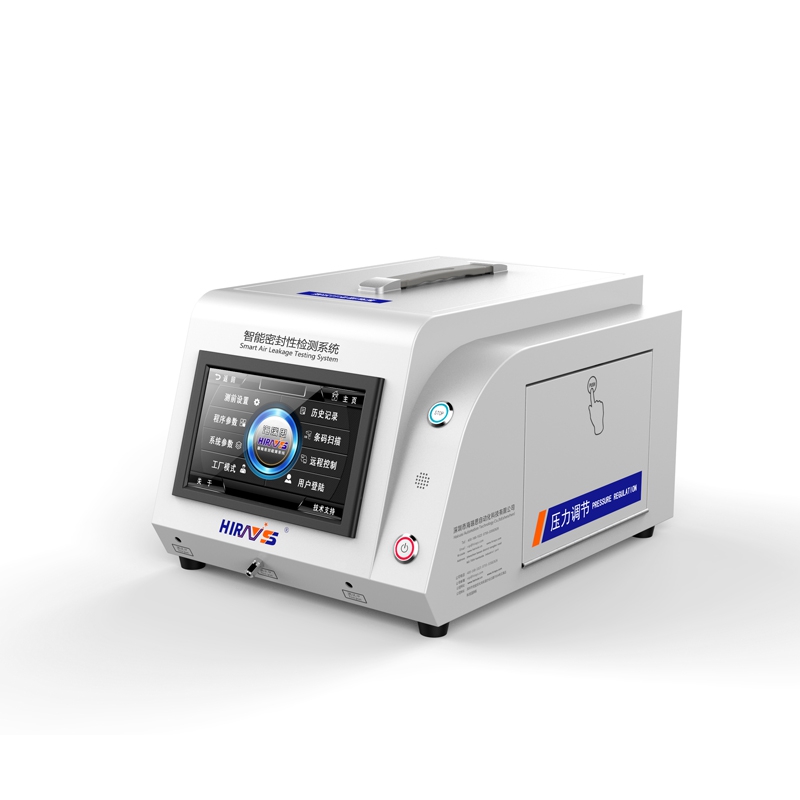
Step 2: Set parameters
Most waterproofness testers allow users to adjust test parameters, including water pressure, water temperature, soaking time, etc.Set the corresponding parameters according to the waterproof standard of the test item (such as IP68, IP67, etc.).For example, if you are testing a phone with an IP68 waterproof rating, you should set a higher water pressure and a longer soak time.
Step 3: Start testing
Place the items to be tested (such as mobile phones, headphones, smart watches, etc.) into the test pool and start the instrument.The process is like giving these items a "bath" to see how long they can "stay" in the water without problems.During the test process, some high-end instruments can also automatically record data and generate reports, helping you understand the waterproof performance more intuitively.
Step 4: Analyze test results
After the test is completed, the instrument will provide a detailed test report.You can use the report to check whether the waterproof performance of the item meets the standards and whether there are signs of water seepage.If the test report shows water seepage or damage to the item, it means there may be a problem with its waterproof performance and requires further treatment or replacement.
4. Frequently Asked Questions about Waterproofness Test: Have you also encountered these problems?
There are some common issues that may give you a headache when testing with a water resistance tester.for example:
- Test is not accurate: This may be because the test environment did not simulate real water pressure or water temperature, causing the test results to be inconsistent with actual usage.
- Test instrument is unstable: Sometimes, the detector may malfunction or operate improperly, resulting in the failure to complete the test.
If you encounter similar problems, don’t panic!This is just a small operational error. If you adjust the environmental parameters in time or check the instrument settings, it can usually return to normal.
5. Summary: Waterproofness tester helps you say goodbye to "water accidents"
pass
-
2026.04.11Good News | Hirays Honored as "Most Investment-Worthy Enterprise" at 2026 AI Glasses China Tour
-
2026.04.11Why are more and more companies opting for RGA technology for power bank electrolyte leakage detection?
-
2026.03.30Commemorating the revolutionary martyrs and inheriting the red spirit | Record of hirays’s theme activity of walking to commemorate the martyrs’ cemetery
-
2026.03.20Starting from June, the sale of non-compliant power banks will be banned: many companies ignore this detection issue
-
2026.03.16After charging 70% in 5 minutes, how can the safety of the power battery be maintained?
-
2026.03.14Overcoming difficulties and showing responsibility, efficient delivery wins praise - a tribute to the four pioneer employees on the production front line
-
2026.03.03Comparison of mass spectrometry technology applications: How do Heris helium mass spectrometers and RGA series enable precision manufacturing?
-
2026.02.26Construction has started | hirays starts a new journey of struggle in 2026
-
2026.02.06Let’s work together to embark on a new journey | The 3rd hirays Fun Games was successfully held
