
How to conduct air tightness testing in Shenzhen?Steps and Tools Guide
Air tightness testing is an important step to ensure that buildings, R&D equipment and other enclosed spaces meet air tightness requirements under both design and actual use conditions.Whether it is for energy saving, comfort or safety, correct air tightness testing is crucial.Living in Shenzhen, the most prosperous city with a large population and dense buildings, the requirements for air tightness are also extremely strict.Especially in new buildings and renovation projects, air tightness testing is a link that cannot be ignored.This article will give you an in-depth understanding of the detailed steps and tools required for air tightness testing in Shenzhen. I hope it can help you and make your project go smoothly.
1. Understand the importance of air tightness testing
Air tightness testing is an important part of building testing and equipment testing.It not only ensures the energy efficiency of buildings and equipment, but also improves safety and comfort.For Shenzhen, a rapidly developing city, the performance requirements of buildings and equipment are getting higher and higher, and the importance of air tightness testing has become increasingly prominent.
Air tightness testing can help us:
- Reduce energy loss and improve energy efficiency
- Ensure indoor environment comfort
- Prevent the intrusion of external pollutants and improve air quality
- Improve the operational safety of equipment and prevent leakage accidents
2. Required tools and equipment
For accurate and efficient air tightness testing, you need the following tools and equipment:
- Air tightness detector (such as Blower Door Test equipment): used to test the air tightness of buildings
- High-precision pressure gauge: used to measure and record pressure changes during the inspection process
- Smoke generator: used to identify leaks
- Infrared imager: used to detect temperature differences and identify potential leaks
- Sealing tape and caulk: Seal possible leaks before testing
These tools and equipment are essential for high-quality air tightness testing, especially for professional brands like Hirays, whose instruments and equipment are more trustworthy and of guaranteed quality.
3. Preparatory work
Before performing air tightness testing, you need to do some preliminary preparations:
- Close all doors, windows, vents and other openings in the building.
- Make sure all windows, doors and vents are free of large cracks and seal them with sealing tape and caulk if necessary.
- Maintain normal use in the area that needs to be tested to ensure the accuracy of the test results.
These preliminary preparations are designed to simulate the air tightness of the building or equipment under normal use conditions to ensure that the test results are of practical significance.
4. Install testing equipment
Before conducting formal testing, you need to install the testing equipment according to the following steps:
- Choose a suitable location to place the air tightness detector and ensure that it can cover the entire detection area.
- Connect a high-precision pressure gauge to ensure it reads accurately.
- Place smoke generators and infrared imagers in easily accessible locations for use during inspections.
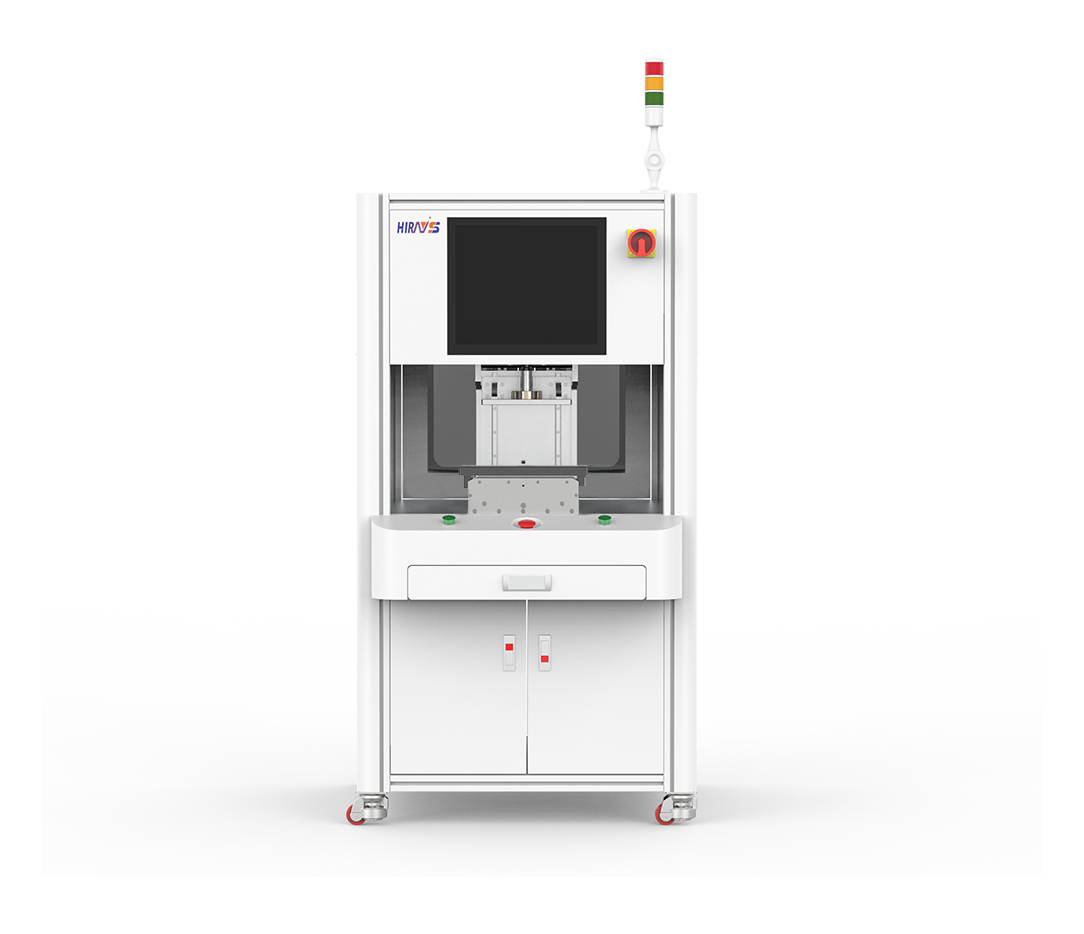
Correct installation of testing equipment is an important step to ensure that air tightness testing can proceed smoothly. Any mistakes during the installation process may lead to inaccurate testing results.
5. Carry out air tightness test
After the equipment is installed, you can begin air tightness testing:
- Start the air tightness detector and gradually apply pressure or generate negative pressure on the detection area.
- Use a high-precision pressure gauge to record the pressure change values under different pressure states.
- Use a smoke generator to check along leak-prone areas such as windows, doors, and vents to see if any smoke is escaping.
- Use an infrared imager to detect temperature differences and look for possible leaks.
Recording and analyzing this data can help you find air tightness problems in buildings or equipment, thereby providing a basis for subsequent treatment.
6. Processing test results
After completing the air tightness test, the next step is to analyze and process the test results:
- Compare the test data with preset standards to determine whether there is an air tightness problem.
- Mark and treat areas with leak problems and seal them with sealing tape, caulk, or other appropriate measures.
- Re-perform the air tightness test after treatment is complete to ensure that all leak points have been effectively addressed.
Through this process, you can ensure that the airtightness of your building or equipment meets requirements, thereby increasing its performance and longevity.
7. Regular maintenance and re-testing
Air tightness testing is not a once-and-for-all task, especially in a hot and rainy urban environment like Shenzhen, where the use conditions of buildings and equipment will continue to change, so regular maintenance and re-testing are particularly important:
- Regularly inspect and maintain the sealing conditions of buildings and equipment, and deal with discovered problems in a timely manner.
- According to usage conditions and environmental changes, formulate an appropriate testing plan and conduct air tightness testing regularly.
- Use reliable brand equipment, such as Hirays, to ensure the accuracy and stability of test results.
With regular maintenance and retesting, you can continue to ensure the airtightness of your buildings and equipment and avoid energy losses and safety hazards.
in conclusion
The critical importance of air tightness testing to ensure the performance of buildings and equipment cannot be ignored, especially in the rapidly developing city of Shenzhen.This article details the steps and tools required for air tightness testing in Shenzhen. From preliminary preparation, installation of equipment, testing to processing results and regular maintenance, every step is crucial.By choosing the right tools and equipment, and following correct operating procedures, you can ensure the accuracy of your test results and continue to maintain the airtightness of your building and equipment.We hope that the guidance provided in this article can help you with your air tightness testing work, so that your project can proceed smoothly and you can enjoy a high-quality living and working environment.
-
2026.04.11Good News | Hirays Honored as "Most Investment-Worthy Enterprise" at 2026 AI Glasses China Tour
-
2026.04.11Why are more and more companies opting for RGA technology for power bank electrolyte leakage detection?
-
2026.03.30Commemorating the revolutionary martyrs and inheriting the red spirit | Record of hirays’s theme activity of walking to commemorate the martyrs’ cemetery
-
2026.03.20Starting from June, the sale of non-compliant power banks will be banned: many companies ignore this detection issue
-
2026.03.16After charging 70% in 5 minutes, how can the safety of the power battery be maintained?
-
2026.03.14Overcoming difficulties and showing responsibility, efficient delivery wins praise - a tribute to the four pioneer employees on the production front line
-
2026.03.03Comparison of mass spectrometry technology applications: How do Heris helium mass spectrometers and RGA series enable precision manufacturing?
-
2026.02.26Construction has started | hirays starts a new journey of struggle in 2026
-
2026.02.06Let’s work together to embark on a new journey | The 3rd hirays Fun Games was successfully held
