Common problems and solutions for air tightness testers - practical coping strategies
The air tightness detector, as a "little detective" in the scientific and technological world, is responsible for detecting whether the air tightness of an object is qualified.In modern industrial production, this type of equipment is widely used in automobiles, electronics, medical and other fields.However, no matter how smart the machine is, it will sometimes cause "headache", and the same is true for air tightness detectors.This article will give you a detailed explanation of common problems and solutions for air tightness testers under the Hirays brand, helping you quickly solve these "minor problems" and make your work smoother and more efficient.
1. Test results are unstable
When you work hard and end up like a naughty child, going up and down, it's really tiring.In fact, stability issues are often related to the testing environment, equipment calibration and sealing of connecting parts.Ensure that the temperature and humidity of the testing environment are constant to avoid fluctuations in results caused by changes in environmental conditions.Calibrate equipment regularly to ensure its accuracy.Check the tightness of each connecting part, as air leakage may cause unstable test results.Maintenance engineers have to "rejuvenate" these links in detail and make timely adjustments to make the naughty "result curve" obedient.
2. The device cannot be started
When you are in a hurry to test, but the equipment can't open its eyes like a lazy person, this is a headache.First check whether the power supply is connected normally and ensure that the voltage and current meet the requirements of the equipment.Sometimes, poor plug contact can also be the culprit.Circuit board failure may also cause the device to start abnormally, in which case professional maintenance personnel are required to conduct circuit inspection and repair.Don’t forget to regularly check the dust accumulation inside the equipment to ensure good ventilation and heat dissipation, so that the equipment can live a "healthy life".
3. Data transmission abnormality
In the era of smart devices, data transmission is an important channel for undercurrents.If you encounter data transmission abnormalities, first check the physical connection to ensure that the data cable connection is stable, not bent, and not damaged.Check whether the software settings and communication protocols are consistent.In some cases, incompatible software upgrades can also lead to poor data transmission. Device drivers and related software versions must be updated in a timely manner.Don’t forget to back up your data regularly. This is an “effective safety net.”
4. Detection accuracy is reduced
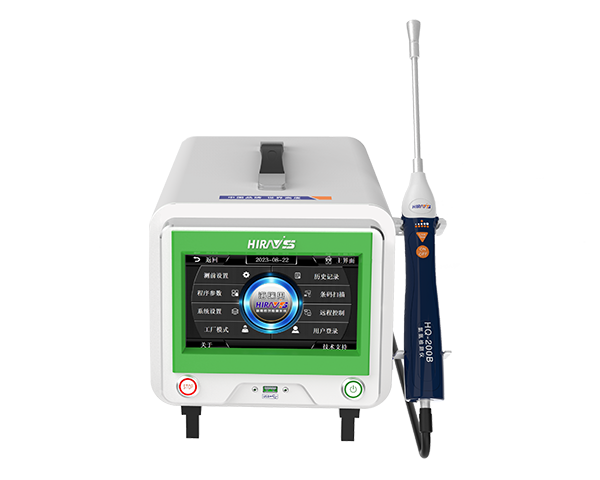
Although the air tightness detector is strong and durable, there are times when it becomes ineffective even when it gets older.If the detection accuracy is found to be reduced, the reasons are mostly related to sensor aging, probe damage, etc.Aged parts must be replaced in time and calibrated.Carry out appropriate inspections before and after use to ensure that all parts are in good condition.At the same time, dust and particulate matter in the use environment also have an impact on the accuracy of the equipment. It is equally important to keep the testing environment clean and tidy.
5. Abnormal noise from equipment
If your airtightness tester suddenly starts making a rattling sound that’s even louder than the pile driver next door, it’s definitely crying out for help.Worn bearings, fans or other mechanical parts inside equipment are often the main source of noise.Regular lubrication and cleaning of these parts can effectively reduce noise.If the noise persists, it is recommended to ask professional maintenance personnel to check and repair it as soon as possible to avoid small problems gradually turning into "hoarse" major failures.
6. The display interface is stuck or unresponsive
In today's technologically convenient world, once the display interface freezes, it's like experiencing "various slow-motion special effects."This situation is mostly related to device memory and processor overload.Check whether there are unnecessary background processes seizing system resources while the device is running, and close unnecessary programs.Check the health of your solid-state or mechanical hard drive and replace it if necessary.If the system firmware version is older, it is also wise to consider upgrading the firmware.
in conclusion
Facing common problems with air tightness testers, mastering practical coping strategies will help you handle them with ease.Through the common problems and solutions of Hirays equipment mentioned above, users can not only quickly solve minor equipment problems, but also effectively improve detection efficiency.An in-depth understanding of the working principle of the equipment and regular maintenance will ensure a "healthy and long life" for the detector.In the future, if you encounter these "little troubles" again, you might as well use your wisdom to deal with them easily, and let the air tightness detector become your reliable partner for efficient work!
-
2026.11.13Hirays Completes Delivery of a Major RGA Project for a Leading New Energy Customer
-
2026.11.13Hirays Named a National-Level "Little Giant" Enterprise
-
2026.11.13Media Coverage | Precision Testing Sector Gains Fresh Capital Backing: Hirays Technology Completes Series B Financing
-
2026.11.06Joining Forces, Starting Anew, Winning the Future Together | HIRAYS Marks 18 Years with a Team-Building Journey in Qingyuan
-
2026.11.06HIRAYS Shares RGA Quadrupole Mass Spectrometry Leak-Detection Expertise at CQC Compliance Training in Shenzhen
-
2026.11.06Leaders of CQC Shenzhen Branch Visit HIRAYS for Inspection and Guidance, Discuss Quality Improvement and Technological Innovation
-
2026.11.04The Full Hirays HM Mass Spectrometry Portfolio in One Place: One-Stop Protection for High-End Precision Manufacturing
-
2026.11.04HM-230 RGA: In-Situ Gas Monitoring Across Multiple Pressure Regimes
-
2026.11.04A New Frontline Defense for Line Yield: Hirays' HM-150 RGA Stands Up to Harsh Process Conditions to Protect Every Wafer