Positive pressure test and negative pressure test
introduction:
In beam tightness testing, positive pressure testing and negative pressure testing are two common testing methods used to evaluate the performance of products or systems under positive or negative pressure conditions.These two testing methods are widely used techniques in the engineering community and help ensure the safety and reliability of products.Next we will introduce the definitions of positive pressure testing and negative pressure testing and their differences in wire harness hermetic testing.
1. Positive pressure test:
Positive pressure testing is a testing method that evaluates the performance of a product or system by applying positive pressure in excess of ambient pressure.In positive pressure testing, the testing center uses pressure equipment to apply pressure to the surface of the product and then monitors for air leaks or other problems.
2. Negative pressure test:
Negative pressure testing is the opposite of positive pressure testing in that it evaluates the performance of a product or system by applying negative pressure below ambient pressure.In the negative pressure test, the test center will use vacuum equipment to extract the pressure from the inside of the product to check whether it will cause deformation, leakage or other abnormalities.
3. Differences:
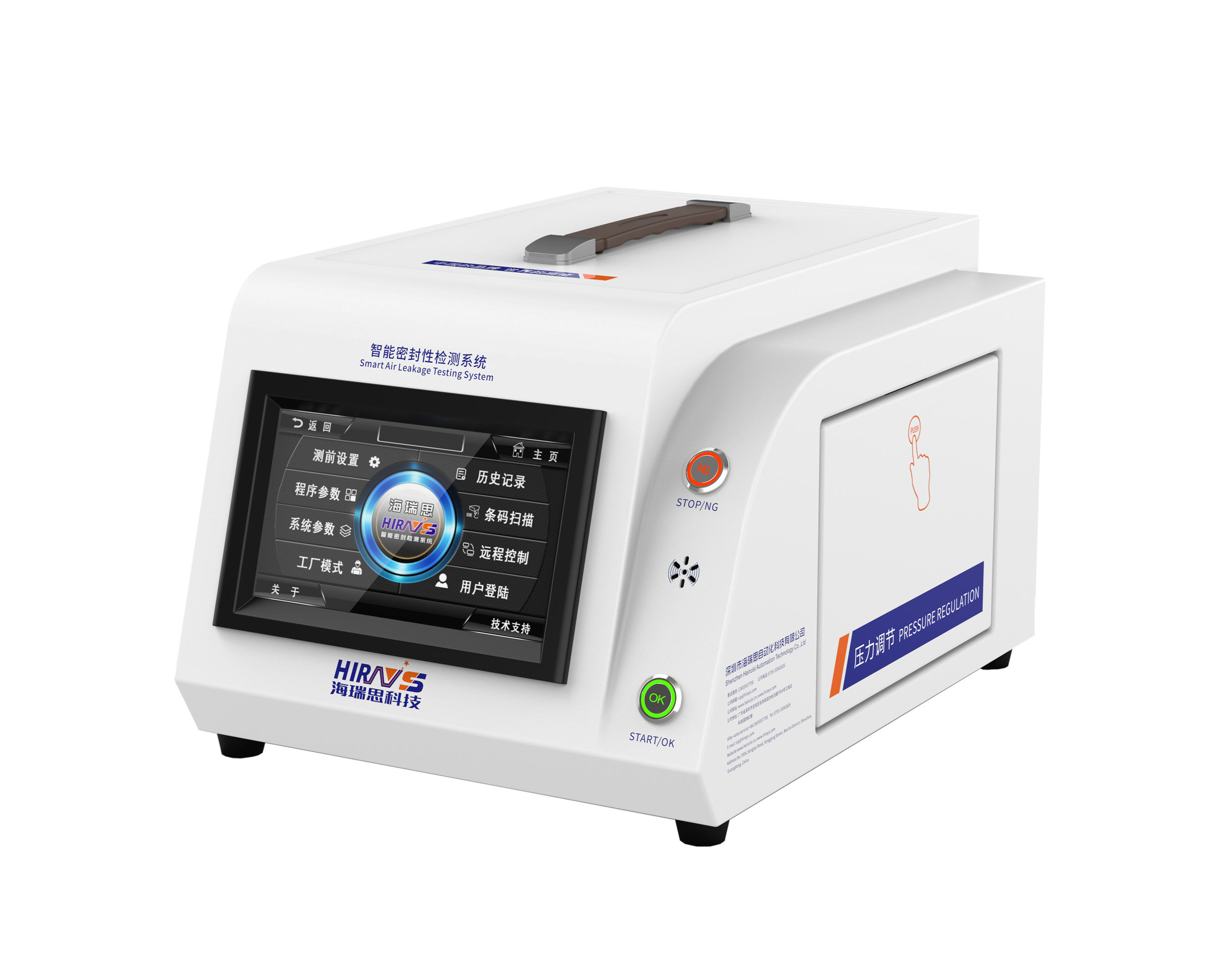
The main difference between positive pressure testing and negative pressure testing is the direction in which the pressure is applied.Positive pressure testing applies positive pressure to the product, while negative pressure testing applies negative pressure to the product.These two test methods can help engineers comprehensively evaluate the performance and reliability of products under different environmental conditions.
4. Application scope:
Positive pressure testing is often used to simulate the performance of a product when subjected to forces or airflow impacts, such as wind pressure testing.Negative pressure testing is often used to evaluate the stability of products in vacuum or low-pressure environments, such as spacecraft or diving equipment.
5. Comprehensive test:
In some cases, engineers may conduct positive and negative pressure tests on a product at the same time to fully evaluate its performance under alternating positive and negative pressures.This kind of comprehensive testing can better simulate the working conditions of the product in complex environments.
in conclusion:
Understanding the concepts of positive pressure testing and negative pressure testing and their differences in beam tightness testing can help engineers better select appropriate testing methods to evaluate product performance and reliability.By rationally applying these two testing methods, the quality of the product can be improved and its stability and safety under various environmental conditions ensured.
-
2026.11.13Hirays Completes Delivery of a Major RGA Project for a Leading New Energy Customer
-
2026.11.13Hirays Named a National-Level "Little Giant" Enterprise
-
2026.11.13Media Coverage | Precision Testing Sector Gains Fresh Capital Backing: Hirays Technology Completes Series B Financing
-
2026.11.06Joining Forces, Starting Anew, Winning the Future Together | HIRAYS Marks 18 Years with a Team-Building Journey in Qingyuan
-
2026.11.06HIRAYS Shares RGA Quadrupole Mass Spectrometry Leak-Detection Expertise at CQC Compliance Training in Shenzhen
-
2026.11.06Leaders of CQC Shenzhen Branch Visit HIRAYS for Inspection and Guidance, Discuss Quality Improvement and Technological Innovation
-
2026.11.04The Full Hirays HM Mass Spectrometry Portfolio in One Place: One-Stop Protection for High-End Precision Manufacturing
-
2026.11.04HM-230 RGA: In-Situ Gas Monitoring Across Multiple Pressure Regimes
-
2026.11.04A New Frontline Defense for Line Yield: Hirays' HM-150 RGA Stands Up to Harsh Process Conditions to Protect Every Wafer