
In abdominal examination, abdominal surgery and other minimally invasive surgeries, the puncture device is an indispensable surgical instrument.
The puncture device can establish an access channel in the abdominal wall of the human body so that laparoscopes or other surgical instruments (such as endoscopes, scissors, staplers, guide wires, catheters, filters, stents, etc.) can enter the abdominal cavity.
And provide a channel for gas in and out to control the pneumoperitoneum required for surgery for inspection or surgical operations.
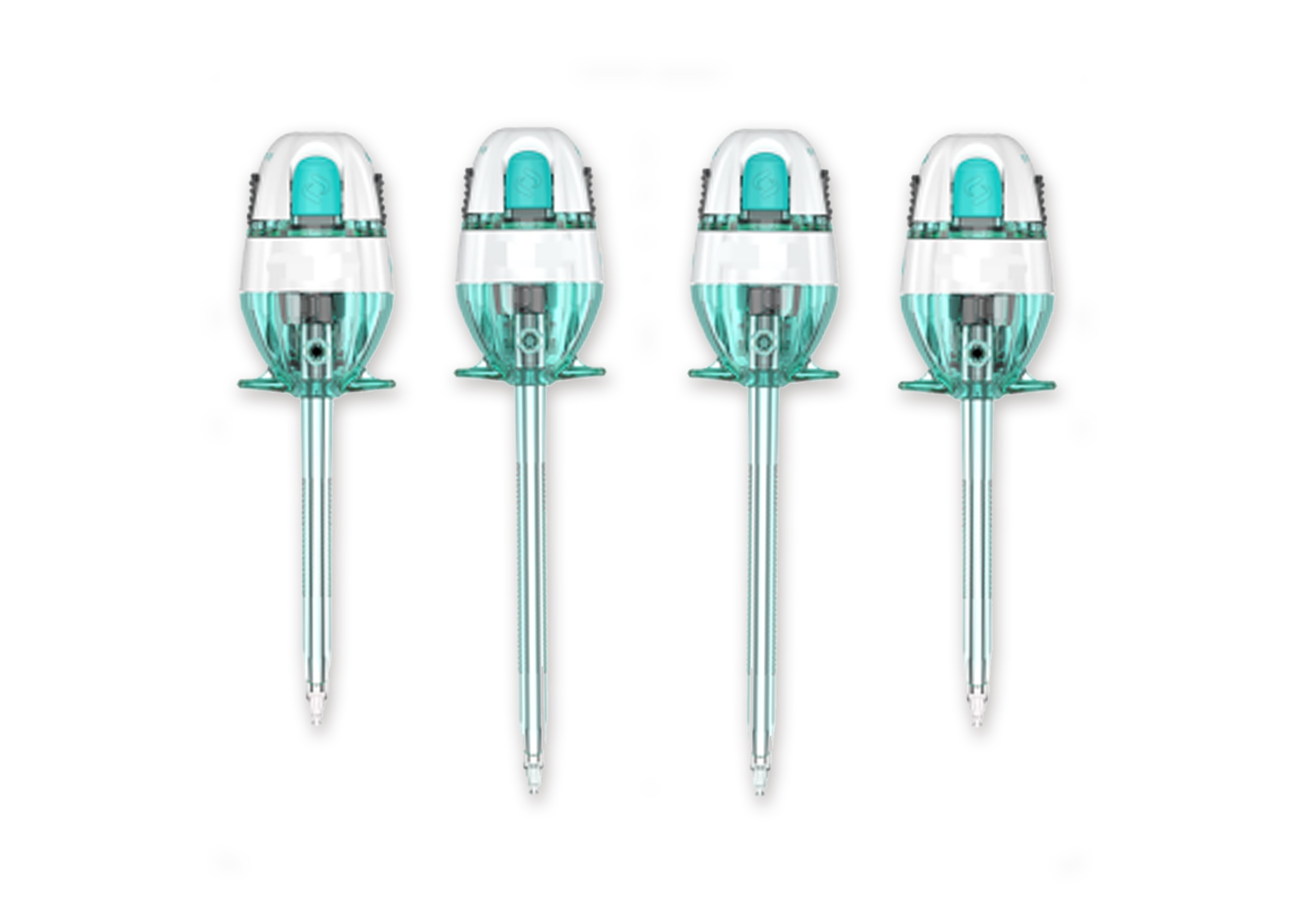
Figure 1-1 Puncture device (from the Internet)
When pneumoperitoneum is sufficient, the puncture device not only expands the distance between the abdominal cavity and the organs, but also expands the distance between the organs, providing the operator with a relatively wide field of view and an easy-to-operate surgical environment.
In order to prevent the problem of air leakage after pneumoperitoneum is formed in the human abdominal cavity, causing damage to the pneumoperitoneum environment and thus affecting the progress of the operation.
Therefore, the puncture device should have good air tightness to ensure the smooth progress of the surgical process.
The pharmaceutical industry standards of the People's Republic of China have formulated standards for disposable abdominal puncture devices:
The puncture device should have good gas barrier properties, and the number of bubbles that emerge should be less than 20 under 4kPa air pressure.
The puncture device should have good sealing performance and should have no leakage under 4Kpa air pressure.
The puncture casing is composed of a casing, an air injection valve, a connecting block, an air-blocking sealing cover, etc.
The gas injection valve, sleeve, etc. are made of ABS or PC material; the gasket is made of silicone rubber material; the puncture cone is made of stainless steel 12Cr18Ni9 or plastic ABS material; the puncture knife is made of 12Cr18Ni9 material.
Detection Difficulties
How to match the criteria for air tightness testing to 20 bubbles;
How to use one tester to test different types of puncture devices;
When testing the gas barrier properties, the puncture rod needs to be manually inserted into the puncture device, which consumes human resources.
-
2026.04.11Good News | Hirays Honored as "Most Investment-Worthy Enterprise" at 2026 AI Glasses China Tour
-
2026.04.11Why are more and more companies opting for RGA technology for power bank electrolyte leakage detection?
-
2026.03.30Commemorating the revolutionary martyrs and inheriting the red spirit | Record of hirays’s theme activity of walking to commemorate the martyrs’ cemetery
-
2026.03.20Starting from June, the sale of non-compliant power banks will be banned: many companies ignore this detection issue
-
2026.03.16After charging 70% in 5 minutes, how can the safety of the power battery be maintained?
-
2026.03.14Overcoming difficulties and showing responsibility, efficient delivery wins praise - a tribute to the four pioneer employees on the production front line
-
2026.03.03Comparison of mass spectrometry technology applications: How do Heris helium mass spectrometers and RGA series enable precision manufacturing?
-
2026.02.26Construction has started | hirays starts a new journey of struggle in 2026
-
2026.02.06Let’s work together to embark on a new journey | The 3rd hirays Fun Games was successfully held