So today let’s talk about what smart wear is and its development history?
Smart wear, also known as wearable devices, is a general term for applying wearable technology to intelligently design daily wear and develop wearable devices, such as glasses, gloves, watches, necklaces, bracelets, clothing and shoes, etc.
The year 2012 was called “the first year of smart wearable devices” due to the debut of Google Glass.With the innovation space of smartphones gradually narrowing and market growth approaching saturation, smart wearable devices have been widely recognized by the market as the next hot spot in the smart terminal industry.In 2013, various companies entered the research and development of smart wearable devices one after another, striving to get a share of the new round of technological revolution, and the wearable device market maintained rapid growth.
Tracing the history of wearable electronic devices, from origin to development to transformation, and then to today's prosperity, it has a history of about 60 years.The first form of wearable devices appeared in the 1950s, a wearable computer device that could be used to improve the winning rate of roulette gambling. Under the influence of this device, the world's first wrist computer Pulsar was officially released in 1975. In 1979, Sony launched the Walkman cassette player. In 1984, Casio released the first digital watch that could store information. In 1998, a wearable wireless camera that could be used to record life appeared.
After entering the 21st century, starting from the first Bluetooth headset in 2000, the wearable device scene began to expand, and the scale of the industry began to expand. Today, there are smart watches, smart bracelets, smart glasses, smart clothing, and even smart rings and smart earrings.Smart wearable devices are becoming more and more integrated into our lives. With the development of artificial intelligence and new material technology, it is no longer just a hardware device, but a terminal that achieves powerful functions through software support, data interaction, and cloud interaction, playing an increasingly important role in people's daily lives.
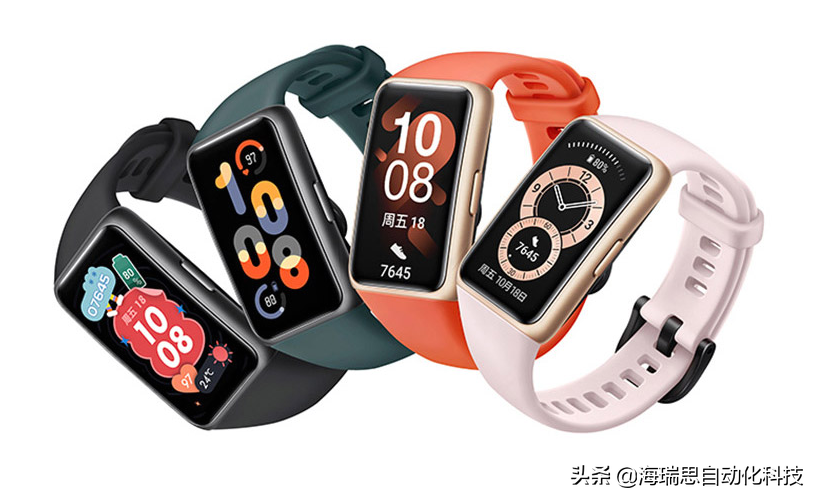
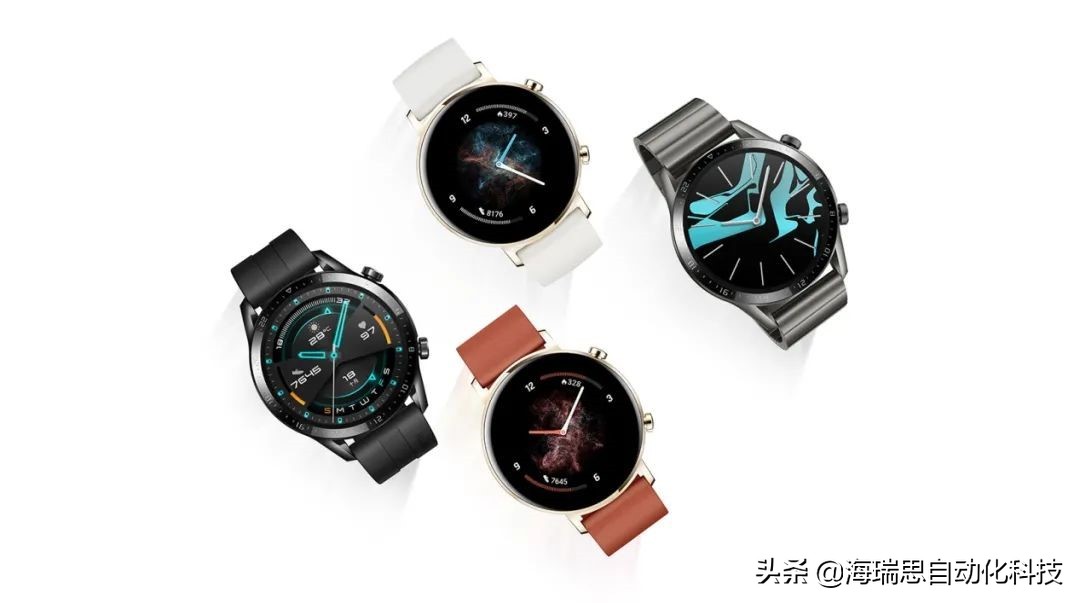
According to the International Data Corporation (IDC) Worldwide Quarterly Wearable Devices Report,Global wearable device shipments reached 114.2 million units in the second quarter of 2021 (Q2 2021), a year-on-year increase of 32.3%.Despite early signs that consumer tech spending is slowing, wearable device purchases remained strong during the quarter as consumers ventured outdoors again and were eager to track their health and activity.
Top 5 wearable device companies by shipments, market share, and year-over-year growth in Q2 2021 (units shipped in millions)
Although growth slowed to 9.3%,appleOnce again leading the market with a 28.2% share.The slower year-over-year growth was somewhat expected given Apple's aging product lineup and the surge in sales over the past few quarters.
MilletRanked No. 2 for making huge strides in hearables.On a unit basis, hearables surpassed the company's wristbands for the first time.The company continues to pursue the same strategy with its hearables as it did with its wristbands, namely low-cost devices with a strong online presence.
HuaweiRanked third. More than three-quarters of shipments in the second quarter of 2021 came from China, up from 72.9% last year. By making its wearables compatible with any Android phone and offering highly competitive prices, the company has achieved some growth even in a market where Huawei's mobile phone business has declined.
SamsungWon fourth place.As one of the few premium smartwatch and hearables vendors outside of Apple, the company has managed to carve out a decent niche for itself in a mature market and is often seen as the de facto wearables option for Android users.The company's growth is also attributed to the multiple brands and price points offered.
Imagine Marketing, the company behind the popular BoAt brand, rounded out the top 5.While the company started out in the hearables business, it has since expanded into watches and wristbands as well.However, the company still only operates within India.
Next issue preview:
A common concern for enterprises and consumers: How to ensure the factory quality of smart wearable products?