
A full analysis of common waterproofing testing methods and their applicable scopes
In daily life, the problem of waterproofness seems not far away from us.From mobile phones to watches, from home appliances to cars, the requirements for waterproof performance are getting higher and higher.So how do you ensure that these devices can still function properly in the face of water challenges?Today, let’s take an in-depth look at the water resistance testing methods, as well as the applicable scope and characteristics of each of these tests.
Introduction: Water resistance really shows when water droplets wet your device
Have you ever felt anxious because you accidentally dropped your phone in the water?Are you suddenly having a heavy rain outside, and are you worried that your outdoor gear will be "farewelled" in the rain?These scenarios may seem common, but behind them lies a crucial consideration—water resistance.The waterproof test is the final test of the waterproof performance of the equipment.It not only helps us judge the reliability of the equipment in practical applications, but also brings us a sense of psychological security.
In order to help you better understand waterproofness testing, this article will provide you with a detailed analysis of several common waterproofness testing methods and their scope of application.By reading, you will have a deeper understanding of waterproofness testing and be able to choose the appropriate testing method according to actual needs.
1. IP level waterproof test: the standard “passport” for waterproofing
Among the many waterproof testing methods, IP (Ingress Protection) level testing is undoubtedly the most common and standardized. The IP level consists of two digits, the first number represents the dustproof ability, and the second number represents the waterproof ability.For water resistance, the second number is particularly important, as it directly reflects the waterproof performance of the device in different environments.
For example, IP67 means that the device can be immersed in 1 meter of water for 30 minutes, while IP68 means that the device can be immersed in water of more than 1 meter for a long time.For consumers, this standard is simply a "postcard" when choosing waterproof equipment, because it is concise, clear, and widely recognized around the world.
Scope of application:IP grade waterproof testing is suitable for all types of electronic devices, such as smartphones, tablets, watches, etc. These devices face varying degrees of water immersion challenges in daily life.Its advantage is that it can provide users with a clear reference for waterproof performance in a standardized way.
example:
For example, you are shopping for a new smartwatch.You see it's IP68 rated, which means that even if you wear it in the shower, you don't have to worry about water vapor or water droplets getting inside the device.This way, you can use it with more confidence and no longer have to worry about water droplets intruding.
2. Hydrostatic testing: the challenge of simulating high-pressure water environments
Hydrostatic testing tests the waterproofness of a device by simulating its performance when exposed to high-pressure water flow.It is usually used for equipment that needs to be used in high-pressure environments, such as diving instruments, outdoor cameras, or high-end watches.During the test, the equipment needs to withstand the impact of water flow at different pressure levels, which is particularly important for judging its water resistance in special environments.
Scope of application:Hydrostatic testing is suitable for equipment that works underwater or in high-pressure water environments, especially diving equipment, diving cameras, diving watches, etc.Such equipment must not only be waterproof, but also must be able to maintain functionality under increased pressure to ensure user safety.
example:
Imagine that when you put on a diving watch and prepare to dive to a depth of 10 meters, will it be able to withstand the pressure of the water flow?Water pressure testing can help manufacturers verify whether diving watches can operate normally in this high-pressure environment, thereby providing the most reliable equipment for diving enthusiasts.
3. Rain test: simulate protection ability in heavy rain
When a rainstorm hits, will the equipment remain unaffected by the sudden flow of water?The rain test is designed to simulate this situation.This test effectively evaluates a device's ability to withstand heavy rain by placing it under a sprinkler system, simulating water flow during heavy rain conditions.This method is widely used to test the waterproofness of outdoor equipment and automotive parts.
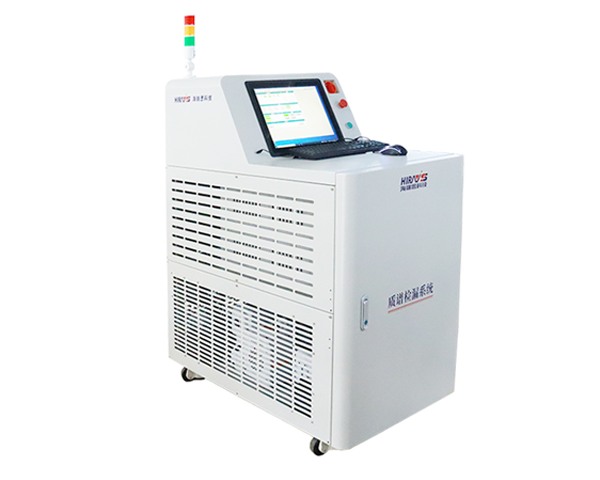
Scope of application:Rain testing is very suitable for outdoor sports equipment (such as hiking bags, camping lights, sports watches) and the automotive industry.Especially for equipment that is used in outdoor exposure environments for a long time, they need to have a certain degree of rain resistance to ensure safety and stability during use.
example:
If you are buying an outdoor hiking bag, you don’t want the clothes in the bag to get wet during a heavy rainstorm.After passing the rain test, the manufacturer can guarantee that the bag can keep the inside dry even in strong rain, so that you can use it outdoors with confidence.
4. Water immersion test: the most direct waterproof challenge
The water immersion test is the most intuitive and rigorous method in waterproofing testing.It directly soaks the device in water for a certain period of time to verify the waterproof sealing of the device.The depth and time of immersion are usually specified according to different standards, which can be minutes, hours, or even longer.This method is often used to test how a device performs when exposed to water for an extended period of time.
Scope of application:Water immersion testing is commonly used in appliances, washing machines, vacuum cleaners and other equipment that require direct contact with water.Especially for some equipment operating underwater, immersion testing is almost essential to ensure that they can work in water for a long time.
example:
Have you ever thought that when you use a vacuum cleaner in the kitchen, water droplets might spill onto the machine?The water immersion test can help manufacturers confirm whether the vacuum cleaner can continue to work when encountering a liquid leakage and will not malfunction.Such testing ensures that the device is safe for use in unexpected situations.
5. Customized environmental testing: waterproofing assessment for special needs
For some equipment with special needs, conventional waterproof testing may not meet the requirements of the actual use environment.At this time, manufacturers often conduct customized waterproofing assessments to simulate flooding conditions in specific environments based on actual needs.This type of testing is highly flexible and can provide more personalized waterproofing protection for equipment in extreme environments.
Scope of application:This kind of test is mostly used for special equipment in aviation, aerospace, military and other fields, and is also suitable for some high-end customized equipment.The testing environment can simulate extreme conditions according to needs to ensure the ultimate water resistance of the equipment.
example:
For example, a device used for deep-sea exploration may need to be tested at higher than normal water pressures to ensure that it can function properly in the extreme underwater environment.Custom environmental testing meets this need, ensuring equipment can still perform in the most extreme water environments.
Conclusion: Choose the appropriate waterproof test to ensure the reliability of the equipment
Through the above analysis of common waterproofness testing methods, we can see that different testing methods are suitable for different types of equipment and usage environments.Whether it’s a mobile phone, watch, diving equipment, outdoor gear, home appliances, or even custom equipment, choosing the right water resistance testing method is crucial.It not only ensures the waterproof performance of the device, but also helps consumers make more informed decisions when purchasing.
Have you chosen the appropriate waterproofing test for your device?Or do you also have some confusion about waterproofness?Leave us a message and let us discuss and share!Waterproofing is not just an attribute of equipment, it is a guarantee of user confidence. Only products that have undergone rigorous testing can provide the strongest protection at critical moments.
-
2026.03.30Commemorating the revolutionary martyrs and inheriting the red spirit | Record of hirays’s theme activity of walking to commemorate the martyrs’ cemetery
-
2026.03.20Starting from June, the sale of non-compliant power banks will be banned: many companies ignore this detection issue
-
2026.03.16After charging 70% in 5 minutes, how can the safety of the power battery be maintained?
-
2026.03.14Overcoming difficulties and showing responsibility, efficient delivery wins praise - a tribute to the four pioneer employees on the production front line
-
2026.03.03Comparison of mass spectrometry technology applications: How do Heris helium mass spectrometers and RGA series enable precision manufacturing?
-
2026.02.26Construction has started | hirays starts a new journey of struggle in 2026
-
2026.02.06Let’s work together to embark on a new journey | The 3rd hirays Fun Games was successfully held
-
2026.02.05Riding horses side by side, working together to move forward | hirays year-end ceremony and awards ceremony concluded successfully
-
2026.02.05How does a smart watch pass the waterproof level?In-depth analysis of hiraysi’s full-link air-tightness detection solution