
How to choose the key factors for lithium battery cell leakage testing equipment
With the rapid development of the lithium battery market, battery quality control has become particularly important.The problem of cell leakage not only affects battery performance, but may also cause safety hazards and even cause fires in severe cases.Therefore, choosing a suitable lithium battery cell leakage testing equipment has become a core requirement for battery manufacturers and testing institutions.Faced with numerous testing equipment on the market, how to choose the most suitable leakage detection equipment based on actual needs and technical indicators?This article will combine industry trends and typical user scenarios to deeply analyze the key influencing factors to help you optimize the testing process and ensure the safety and reliability of battery cells.Want to know more about battery cell testing equipment?Welcome to our official website!
The definition and importance of lithium battery cell leakage testing equipment
Lithium battery cell leakage testing equipment is mainly used to detect whether there is electrolyte leakage in the battery core, so as to avoid performance degradation or safety accidents caused by leakage.According to statistics, about 15% of lithium battery failures are closely related to electrolyte leakage.Therefore, leakage detection equipment has become an essential tool for battery production quality control.This type of equipment uses various detection methods, such as infrared imaging, pressure testing and visual inspection, to promptly identify small leaks and ensure that products meet safety standards.
Choosing efficient leakage testing equipment can not only improve detection accuracy, but also significantly reduce rework rates and save production costs.Especially in the fields of new energy vehicles and energy storage, the requirements for battery cell safety are becoming increasingly stringent, posing higher challenges to the performance and stability of leakage testing equipment.
Key technical indicators and equipment performance analysis
When selecting liquid leakage testing equipment, key technical indicators such as detection sensitivity, testing speed, equipment automation level and compatibility must be considered.Among them, detection sensitivity is directly related to whether tiny leaks can be detected. The detection sensitivity of advanced equipment in the industry can reach the microliter level, meeting high standard requirements.
Test speed affects productivity.A typical high-performance leakage testing equipment can complete the test of a single battery cell within 30 seconds, which is suitable for rapid inspection of mass production lines.Equipment with a high degree of automation can reduce human operating errors and improve consistency.For example, some equipment is equipped with automatic loading and unloading and data management systems to facilitate real-time tracking and analysis of test results.
Compatibility of equipment with existing production lines is also an important consideration.Choosing equipment that supports multiple cell sizes and specifications can improve testing flexibility and meet diverse product needs.
Commonly used liquid leakage testing methods and their applicable scenarios
At present, lithium battery cell leakage testing methods mainly include visual inspection, pressure test, infrared thermal imaging and vacuum inspection.Each method has different advantages and limitations.
- Visual inspection:The use of high-resolution cameras to detect traces of liquid is suitable for rapid screening of surface leakage, and is especially widely used in automated production lines.
- Stress test:By applying internal or external pressure to the battery core, it is observed whether there is liquid leakage. It has high sensitivity and is suitable for sampling depth detection. It is often used in key aspects of quality control.
- Infrared thermal imaging:It can detect the temperature difference caused by electrolyte evaporation or leakage, and is suitable for fine detection and complex structure battery cells.
- Vacuum detection:Observing whether the battery core is leaking in a vacuum environment is suitable for high-end laboratory precision requirements, but the equipment cost is high.
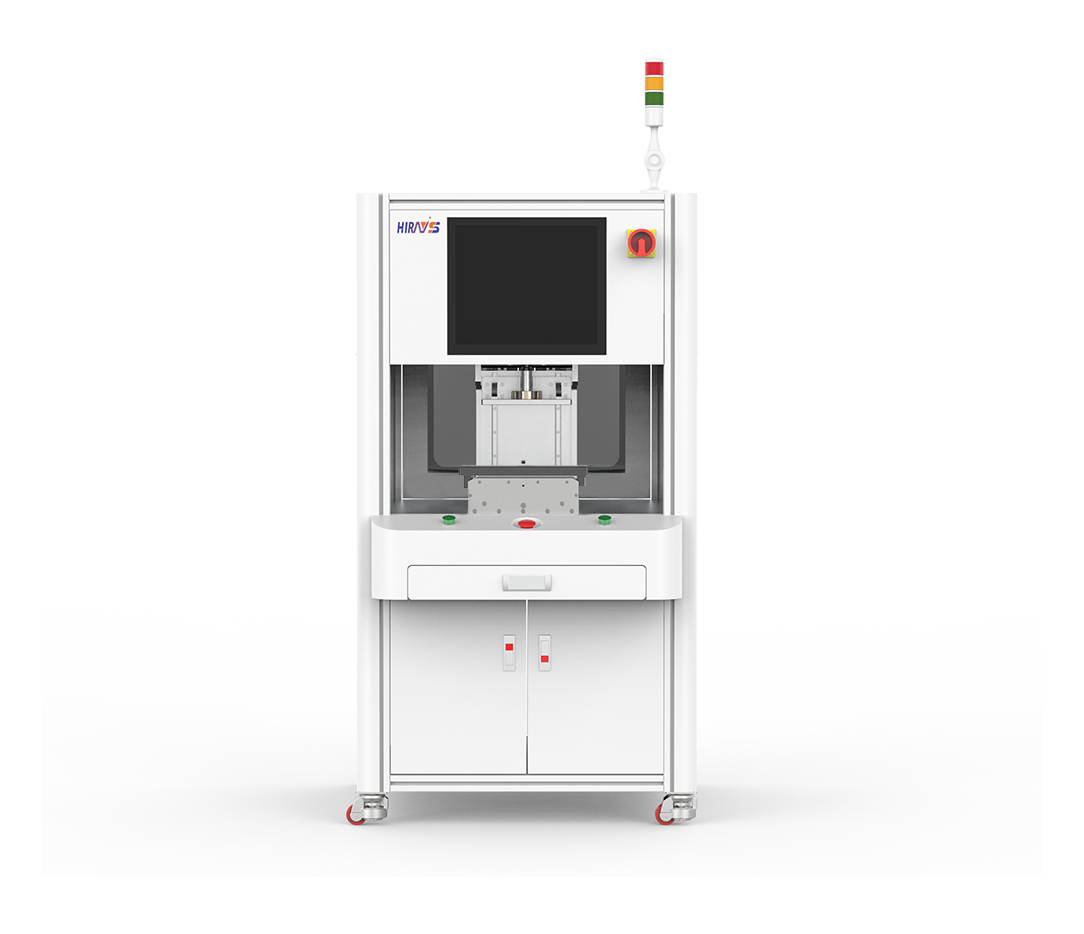
Reasonable selection of testing methods based on actual process and testing needs will help improve testing accuracy and efficiency.For example, large-scale production companies tend to use automated visual inspection combined with pressure testing to achieve rapid and comprehensive leakage screening.
Industry trends and future development directions
With the innovation of lithium battery technology and the intensification of market competition, leakage testing equipment is also constantly being upgraded.Currently, intelligence and digitalization are the two major trends in equipment development.Data shows that manufacturers that adopt intelligent detection systems have improved their detection accuracy by 20% and their production efficiency by 25%.More and more equipment integrates AI visual analysis, cloud data management and remote maintenance functions to facilitate equipment monitoring and fault warning.
Environmentally friendly and energy-efficient equipment design has gradually become mainstream, in line with the concept of green manufacturing.In the future, multi-sensor fusion detection technology combining material science and artificial intelligence will further improve the reliability and automation level of lithium battery cell leakage testing.
Practical advice: How to efficiently choose lithium battery cell leakage testing equipment
- Clarify testing requirements:According to the battery core specifications, production scale and detection accuracy requirements, select the matching test equipment type and detection method.
- Pay attention to technical indicators:Focus on detection sensitivity, test speed and degree of automation to ensure that the equipment can meet production line rhythm and quality control standards.
- Check device compatibility:Ensure that the testing equipment can support a variety of cell sizes and parameters to enhance the adaptability of future product diversification.
- Evaluate after-sales service and technical support:Choose a supplier with complete technical support and quick response to ensure long-term stable operation of the equipment.
- Pay attention to industry reputation and cases:Refer to other enterprise use cases and user reviews to understand the performance and advantages of the device in actual use.
Want to learn more about which lithium battery cell leakage testing equipment is more suitable for your production needs?Welcome to contact us for professional consultation!
Conclusion: Choose professional and reliable leakage testing equipment to ensure the safety and quality of lithium batteries
Choosing suitable lithium battery cell leakage testing equipment is a key link to ensure battery safety and stable performance.By scientifically assessing testing needs, technical indicators, testing methods and industry development trends, companies can effectively improve product quality and production efficiency.With many years of industry experience and advanced equipment technology, we are committed to providing customers with high-precision and high-efficiency leakage detection solutions.Visit our official website now to learn more about equipment information, or contact us for free professional consultation. Let’s work together to improve the level of lithium battery testing and ensure product quality and user safety.
-
2026.01.15Hairis Technology expresses condolences to sick employees, every bit of care warms people's hearts
-
2026.01.15[Caring for Employees] Hairis Technology sends "June 1" blessings to the children of the company's employees
-
2026.01.15Caring for employees, caring and warming people's hearts, Hairis Technology expresses condolences to sick employees
-
2026.01.15Hairis distributes Children’s Day gifts to employees’ children | Happy holidays to you lovely ones
-
2026.01.15On Children’s Day, Hairis Technology provides thoughtful benefits to employees’ children
-
2026.01.15Good news | Hirays successfully passed the SA8000 social responsibility management system certification
-
2026.01.15How to choose the key factors for lithium battery cell leakage testing equipment
-
2026.01.15Core advantages and application guidelines of handheld VOCs gas detection equipment
-
2026.01.15Analysis of core technologies and practical solutions for sealing inspection of new energy automobile parts