
In the sealing test, there are problems such as different wire materials, waterproofing processes, different wire diameters, and different interfaces. At the same time, for the sealing test of wires, the parts tested by each manufacturer are also different.This has become a recognized testing problem in the sealing testing industry.As a well-known sealing testing expert, Hairis Technology has provided dozens of sealing testing solutions to manufacturers in the wire industry for different wires and different testing locations.
Generally, non-engineering wires have small diameters, different wire core materials, and different manufacturers' manufacturing processes.These situations are enough to make the sealing test of the wire more difficult and cause instability during the test.
Hairis Technology currently has rich experience in wire rod testing solutions in the industry. Below, Hairuis Technology will simply show you several detection solutions to provide reference for manufacturers who need to conduct wire sealing tests:
In order to better fix the wire, a specific mold is customized for the wire according to the shape, diameter, size, range to be tested, etc. to assist in sealing testing.Put the wire into the mold, and after the upper and lower molds are closed, a sealed inspection space can be formed to solve the inspection problem of difficult fixation of the wire due to its structure. The following is a display of the wire sealing test mold of Hairuis Technology.
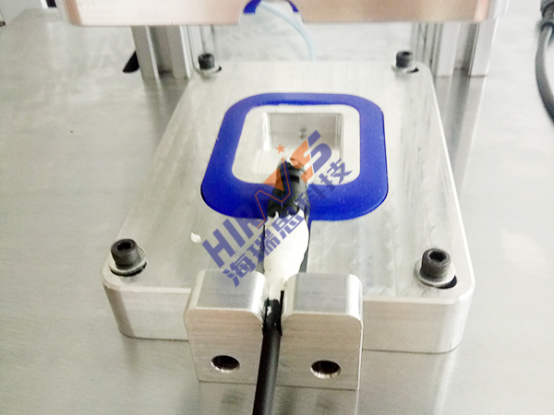
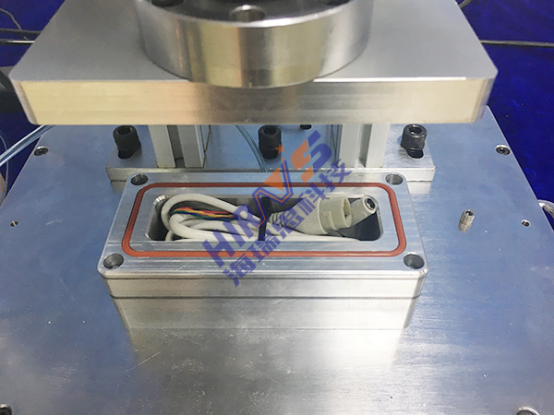
How to deal with the requirements for sealing testing due to the characteristics of the wire?
Wire characteristics: Wires are used in various energized equipment, so there are thousands of types, which also make their sealing processes, diameters, interfaces, wrapping materials, pressure withstand, sealing testing standards and requirements, etc. different.
Difficulties in sealing test: Because there are many factors that affect the sealing test of wires, the applicability of the testing equipment is greatly reduced, and the equipment investment cost of the manufacturer is increased.
Hairis Technology Solution: Hairis designs the sealing tester into three parts: tester, air source, and tooling.Because the tester, air source, and tooling are self-contained, they cooperate with each other during the test but do not affect each other, which improves the accuracy of the sealing test. The corresponding tooling can also be replaced according to the different test wires, so that one device can detect different products.In addition, in order to cope with different testing standards, Hairis Technology is equipped with"positive, negative&"Two pressure forms and 8 basic test modes, which can be selected individually or combined.It can support leakage test, obstruction test, positive pressure test, negative pressure test and other sealing test methods.It uses 24-bit A/D conversion, 32-bit CPU operation, and a completely independently developed industrial control operating system, combined with a full-touch human-computer interaction interface.Built-in RS232 serial port, RJ45 network port, USB communication interface, LTP external I/O control port, and supports multiple communication protocols.The operability of the equipment is enhanced. The instrument detection function is no longer single, but has independent selection and independent setting functions, which can be better put into full-line waterproof testing of wires, reduce manpower investment in production, and improve production efficiency.The picture below shows the wire sealing tester developed by Hairis Technology.
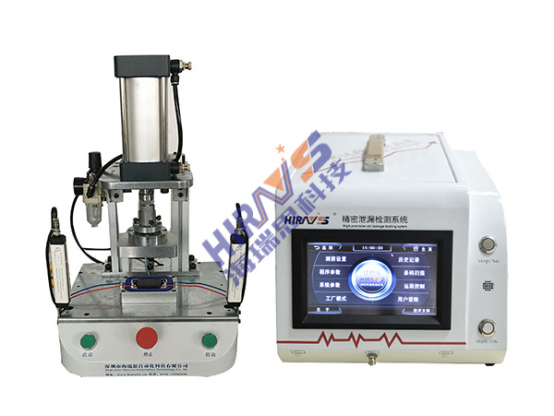
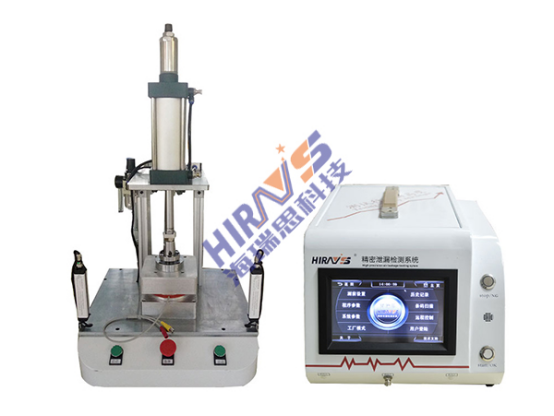
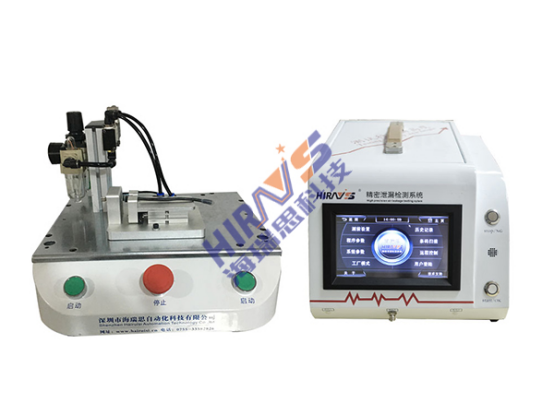
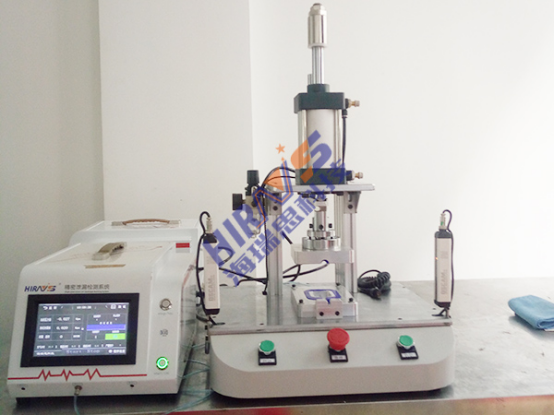
All the wire sealing testers shown above have been put into use in production lines. They are favored by many wire manufacturers for their strong applicability, fast detection efficiency and high accuracy.
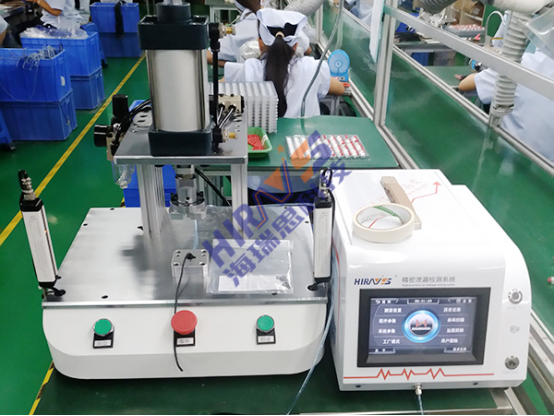
Hairis Technology wire sealing tester production line inspection diagram
The above is what Hairis Technology shared in the waterproof testing of cameras. The copyright belongs to Hairuis Technology. Reprinting, plagiarism and false originality are strictly prohibited. Once discovered, you will be responsible for the consequences.